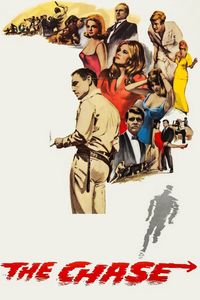
The Chase (1966)
(On Cable TV, February 2021) As much as I like to point at 1967 as the year during which Hollywood changed, there were plenty of warning shots prior to Bonnie and Clyde and The Graduate — the 1960s are filled with movies pushing the envelope of what was previously allowable by the Production Code, and exploring gritty filmmaking before New Hollywood ran with it. The Chase strikes me as one of those forebears: a low-energy drama with a downbeat conclusion, featuring grimy naturalistic cinematography and several stars that we would later associate with the 1970s. The core of the film looks a lot like a crime thriller, what with a convict escaping prison and his hometown steeling itself for his return. But as the dramatic non-criminal subplots accumulate, it becomes more obvious that the film is more interested in the hidden depravity of its characters, the small town’s accumulated secrets, and a refusal to bow to conventional values in wrapping up the film. The ensemble cast is stellar, in-between Marlon Brando, Robert Redford, Jane Fonda, Angie Dickinson and a small early role for Robert Duvall. But the result is not quite up to its own goals. Never mind the dark-and-depressive anticipation of the soul-killing 1970s: The Chase delights in upending audience expectations and settling for a nihilistic conclusion. No one is a hero, everyone is terrible and we viewers are stuck with the results. Neither seeking satisfaction as a crime story nor able to deliver enlightenment as a small-town drama, The Chase seems stuck in-between what it would take to be effective one way or the other. We can either see it as a disappointment, or as a stepping stone to the better movies that would follow.
