Arthur Miller

  • The Crucible (1996)

    The Crucible (1996)

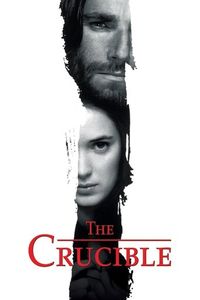
    (In French, On Cable TV, September 2021) If the COVID-19 pandemic has made one thing clearer than ever, it’s that the veneer of contemporary education and knowledge is often an illusion. Basic scientific fact gets ignored the moment it confronts political ideology or personal comfort, and it doesn’t take much more than a dumb Facebook post to get people acting in self-destructive ways. The parallels with witch-hunt drama The Crucible, in other words, remain evergreen. Here we have several young women, led by a highly motivated leader, making up accusations of witchcraft against people they don’t like. By definition unfalsifiable, those accusations spread like wildfire through the small New England community, condemning people to death for not good reason. Made from a script by Arthur Miller, adapting his own classic McCarthy-era play to the big screen, The Crucible does have a timeless quality in-between its period setting and powerful themes. It helps that the infuriating subject matter is handled by powerhouse actors — In-between Daniel Day-Lewis, Paul Scofield and Joan Allen, Winona Ryder looks like an amateur despite doing very well for herself. The period recreation is credible, and the cranking of the tension to its inevitable end is effectively done. Clearly meant to provoke crowds, The Crucible remains very effective today. Alas.
  • The Misfits (1961)

    The Misfits (1961)

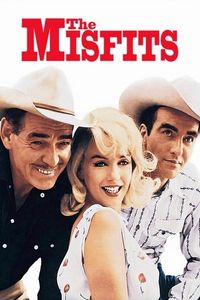
    (On Cable TV, July 2021) To twenty-first century audiences, The Misfits does come with an outsized baggage of expectations: It’s the final film of both Clark Gable (who suffered a heart attack two days after wrapping up shooting, and died shortly thereafter) and Marilyn Monroe (whose next two years would be troubled, all the way to her death from barbiturate overdose), and the film does pair them up, presenting a transgenerational star attraction. The film’s production does make for fascinating reading, what with the script being intended as a gift from playwright/screenwriter Arthur Miller to Monroe in order to showcase her dramatic talents, but then clouded by their dissolving marriage throughout the production. While twenty-first century reviews have been positive, The Misfits’ initial reception, both commercial and critical, was underwhelming — a noted box-office bomb, it also got tepid reviews. Unusually enough, I find myself on the side of the 1961 reviewers — while there’s some meta-dramatic heft in seeing Monroe and Gable sharing screen time for the last time (even despite the significant age difference), the film is a slog to get through. Dramatic but overdone, small-scale and often desolate in its black-and-white cinematography, it’s trivial to the point of meaninglessness. Monroe is serviceable in her dramatic role, which is both not bad and not enough. You can certainly see some end-of-an-era echoes in the films’ themes, what with a cowboy in 1960 America capturing wild horses so that they can be turned to food. Still, The Misfits feels glum and overlong, not quite worthy of the spotlight placed on it by dint of being two icons’ final movie.