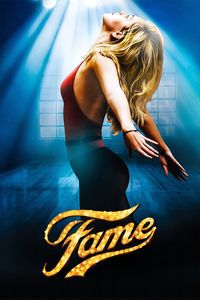
(On Cable TV, May 2020) Having seen the original Fame a while ago, I was more curious than hopeful that the 2009 remake was going to be any good, especially considering my decidedly mixed feelings about the first one. I was not exactly surprised nor disappointed. The first film had a serious problem in trying to cram years of high school for an ensemble cast into almost two and a quarter hours. Now the remake makes things even worse by shortening the time to barely 107 minutes and magnifying the superficiality of the treatment in such a way that the characters barely get a handful of scenes to move through an entire four-year arc. (It doesn’t help that the blandest characters get the most screentime.) I’ll say it again for good measure: the best way to do something like Fame is to do a miniseries. Four years in four hour-long episodes, if you want to be snappy about it (plus the audition as a first episode of five). Then there’s the dummying-down of the themes: The R-rated original definitely felt rough and gritty in presenting the darker underbelly of performance arts even at the high-school level—suicide, attempted rape and dead-end aspirations were its stock-in-trade. While this PG remake doesn’t quite scrub everything clean, it’s considerably more upbeat about what happens to its characters: suicide is prevented, sexual assault headed off, characters not graduating but doing it with a smile on their face. Fame clearly doesn’t want to stray too far away from the performance art dreams of the High School High generation (and various reality-TV shows promising instant fame) in making it look exhilarating and cool and glossy. This is a group of students able to think up an impromptu multidisciplinary jam at lunchtime, and the film does juice up the glamour of even a Halloween party. I’m not, surprisingly enough, completely opposed to a big glossy musical—at times, I could see in Fame the rough outline of what a twenty-first century musical could be. But being too closely wedded to the original movie puts this remake in an uncomfortable position, unable to do justice to the serious themes of the original, and yet unable to strike out on its own. No wonder that it sank without much of a trace—and, poignantly enough, that none of the young cast has gone on, eleven years later, to fame—the only recognizable names and faces here are the established actors playing the teachers, from a gruffly likable Kesley Grammer to straight-talking Charles S. Dutton or the ever-wonderful Bebe Neuwirth. This Fame remake is watchable enough, especially if you’re in a generous (or mindless) frame of mind, but it’s nowhere near where it should or could be.