Costa-Gavras

  • Missing (1982)

    Missing (1982)

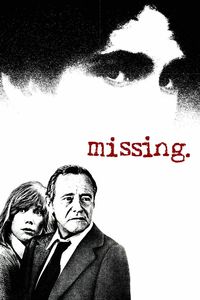
    (On TV, January 2020) To anyone used to Jack Lemmon’s comic body of work, it can be jarring to see him at work in Missing, a film about as humourless as any can be. Here, Lemmon plays an American businessman travelling to Chile an unnamed country after a coup to investigate his son’s disappearance. He teams up with his son’s wife, but their relationship does not start harmoniously and it’s further tested as their investigations either produce no results, or lead them to darker and darker certainties. Eventually, writer-director Costa-Gavras, working from real events, accuses the US government of complicity in the coup and the numerous deaths that ensued. Missing is absolutely not a happy movie: the atmosphere of a post-coup authoritarian country is utterly nightmarish, and the central mystery at the heart of the film has a merciless resolution. Lemmon, as one could expect, is quite good in a much darker role than usual, channelling righteous anger as he portrays a father looking for his only child. Alongside him, Sissy Spacek is also quite good in a more difficult role designed to clash with the older man. (Both of them earnest Academy Awards nominations for their roles) Where Missing stumbles is in not focusing tightly on the story it wants to tell—Costa-Gravas is a bit too self-satisfied and goes on numerous tangents (the opening twenty minutes, for starters) that don’t necessarily improve the result. Still, Missing is a film with weight, anger, and a thick atmosphere you’ll yearn to escape.

  • Z (1969)

    Z (1969)

    (On Cable TV, February 2018) Most movies are almost entirely separate from reality, but Z is a shining exception. Based on real and infuriating events, Z also led to real changes in Greece years after its release. The line between fiction and reality is further blurred by an aggressive cinema-vérité style, taking us in muggy streets as protests between left and right-wing groups lead to aggression and, eventually, the death of an anti-war politician. The investigation in the events ends up triggering a national crisis, and the film ends on a sombre note as investigators are killed or marginalized after a military coup. The ending is both grim and darkly amusing as the film lists the items forbidden under the new regime (including the letter Z, which symbolized resistance). While real-life events had a happier ending (the junta was overthrown a few years after the movie, and its investigator protagonist became president of the country a decade and a half later), Z the movie itself is oppressive and gripping, still powerful in the way it presents a thoroughly deglamorized portrait of street violence for political goals. Director Costa-Gavras has since become an exemplar of a director-provocateur, and Z is as successful as politically engaged features can be. While long, the film steadily improves as it advances, and as its dark humour becomes even darker. It’s still very much relevant, as we hope that it doesn’t become even more relevant in today’s semi-insane American politics.