Craig Gillespie

  • Cruella (2021)

    Cruella (2021)

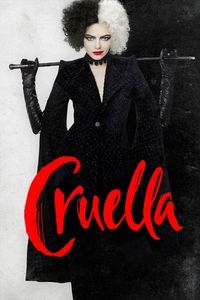
    (Disney Streaming, December 2021) I’m not at all happy about the recent trend of Disney remaking its animated films, or the subgenre of giving extensive relatable backstories to their biggest villains. In other words — I was not looking forward to Cruella, and not surprised to realize that I enjoyed the film most when it went as far as it could from its source material. Emma Stone stars as the young Cruella de Vil (birth name Estrella), going against Emma Thompson as the even-worse Baroness. (Meanwhile, Mark Strong gets a small but significant supporting role, and Kirby Howell-Baptiste gets an eye-catching role leading to the sequel.)  Director Craig Gillespie benefits from a budget large enough to accommodate a lavish recreation of the London fashion world of the 1970s, along with enough CGI to enable a dynamic, pop-song heavy style. Which may be the film’s biggest strength, actually — Cruella is never as good as when it zips through period detail, fashion shows and CGI tricks best showcased in impossible clothing. But the film falters whenever it tries to tie itself to the 101 Dalmatians legacy — the bumbling criminals, the convoluted web of secrets and lies behind the protagonist’s origins and the winks and nods, reminding us that there’s a corporate intent behind the film’s unarguable strengths. Stone is not bad, but again she’s far better when she’s off doing her own thing rather than ape the previous instances of the Cruella character. Wishing that the film should have been a completely standalone title is useless, of course: it would not have been greenlighted, and even less at that budget. Hence the truth about large-scale films at the beginning of the 2020s — it has to be tied to an established property, or else not be allowed to exist.

  • I, Tonya (2017)

    I, Tonya (2017)

    (Netflix Streaming, August 2018) Some biopics are more complex than others. It’s one thing to present a universally loved person … but how do you make a movie about someone widely loathed? That’s the bet taken by I, Tonya, a biography of early-nineties skating villain Tonya Harding. The easy approach would have been to explain that Harding had a tough upbringing, that she never fit within the glamour image of figure skating, that she was surrounded by people with poor judgment and that (she says) she was never involved in the infamous knee-capping incident with Nancy Kerrigan. But that would smack far too much of a basic Lifetime movie with added excuses. What I, Tonya does is far more interesting: Using a collage approach where the main narrative is supplemented by fake interviews with the main players and split-second flashbacks undercutting (or at least seriously questioning) interview claims, this is a sympathetic biography that doesn’t quite manage to bring itself to exonerate its subject. It often breaks the fourth wall with no shame, and even calls out the viewer for their voyeuristic interest. It honestly portrays both Harding’s point of view and tries to match it with the public perception of the events, and while it does correct the record, it remains skeptical about Harding’s version. The result is, frankly, far more entertaining than anything we could have expected from such a project. There’s comedy, empathy, drama and a strong actor’s showcase for both Margot Robbie (completely convincing as Harding, doing a complete 180 on her usual glam persona) and Alison Janney (playing a character in the running for the title of worst mom ever). Screenwriter Steven Rogers and director Craig Gillespie each bring a fascinating sensibility to the project—this isn’t your grandparents’ biopic, as is zips from scene to scene and seems to operate on skeptical irony throughout. And yet, and yet, we can’t help but feel some amount of understanding for Harding’s version of the story. It’s not a simple story and it’s not a simple film either—But I, Tonya is an exemplary case study in how to present tricky material on-screen with plenty of style.