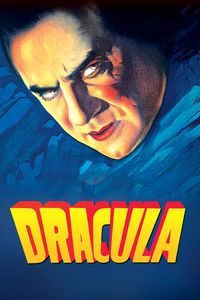
Dracula: Dead and Loving It (1995)
(Second Viewing, In French, On Cable TV, December 2019) I’m not a big fan of late-period Mel Brooks and Leslie Nielsen played in some remarkable stinkers outside of The Naked Gun series between 1990 and 2001. Given those biases, you can accurately predict my tepid reaction to Dracula: Dead and Loving It. An obvious spoof of the film adaptations of Bram Stoker’s Dracula, it strips down the plot to its barest essential, then adds gags as it goes. While the obvious inspiration is the 1931 Bela Lugosi film (“I never drink wine … oh, what the hell. Let me try it.”), there are obvious pokes here and there at 1922’s Nosferatu, 1967’s The Fearless Vampire Killers and 1992’s Bram Stoker’s Dracula. And while (as someone who’s seen those Dracula movies in the past year or so), there’s something intriguing in seeing the Dracula story boiled down to its essence before, I’m not so happy with the comedy aspect. Dracula: Dead and Loving It simply feels laborious most of the time. In Brooksian fashion, the humour is basic, but the worst part of it is that it’s usually telegraphed well in advance and keeps going long after the humour has faded away. Predictability and insistence are not qualities that mesh well with humour, and one of the big surprises of comparing this film with other spoof comedies is how it feels far less dense with jokes than the better examples of the form. (At least it’s better than the non-funny Friedberg/Seltzer spoofs of the 2000s, although that’s not saying much.) Still, let’s allow for some leeway: As I’m checking quotes from the film, I’m finding that the movie is far funnier on the page in its original form than on the French dub—this doesn’t change my mind about the pacing and predictability of the film, but it gets an extra point or two for the actual jokes. The other thing is that despite the film’s low budget, there’s a pleasant Victorian atmosphere to the proceedings—the sets and costumes are nice and it surely helps that there’s a lot of cleavage on display from nearly every female character. Then there’s Leslie Nielsen (as Dracula) and Mel Brooks (as Van Helsing) trying to out-ham each other, which is not all that bad. Still, Dracula: Dead and Loving It feels like it squanders a lot of its assets—but, of course, it’s late-period Mel Brooks, so what did we expect?