Eleanor Russell

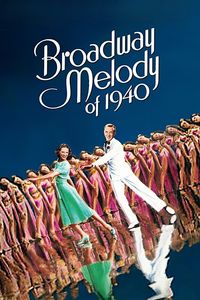
  • Broadway Melody of 1940 (1940)

    Broadway Melody of 1940 (1940)

    (On Cable TV, January 2020) The Broadway Melody series goes out with a bang in the fourth and final instalment Broadway Melody of 1940. If you want to talk about individual films leaving a legacy, consider that this is the only on-screen pairing of two of the era’s greatest dancers at the height of their powers—Fred Astaire in fine youthful form, and the equally-impressive tap-dancing sensation Eleanor Russell. They share two dancing numbers, and they are both terrific: the first number is loose, flirty and fun, while the second is polished (musically and visually) and carefully controlled. Other delights abound; the film gets started on a strong note with a dual-tap dancing sequence featuring Astaire and George Murphy. Then there’s a fun ball-balancing act. The nautical stage number is a prowess of set design. The Broadway-themed plot shows up just enough to string along the dancer numbers, and that’s all we need. Movie musicals historians will tell you that this was Powell’s last major film, the first of Astaire’s second MGM contract, and the last big black-and-white musical from MGM. But what’s important is that Broadway Melody of 1940 captures some incredible performances and can still be watched with great interest eighty years later. Now that’s a legacy!
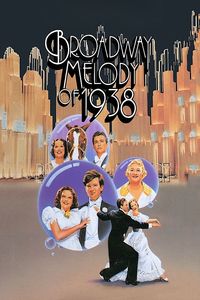
  • Broadway Melody of 1938 (1937)

    Broadway Melody of 1938 (1937)

    (On Cable TV, January 2020) Decades before Internet movie reviewers started babbling about film franchises, here was Hollywood tapping the Broadway Melody IP for all it was worth with no less than four yearly instalments. Fortunately, there was still enough gas in the tank for the third instalment Broadway Melody of 1938 to showcase a few highlights. What’s worth remembering here? Eleanor Russell tap-dancing in a barn, Russell again dancing in New York City streets, a young Judy Garland singing the Broadway Melody song, and her fannish ode to Clark Gable. Otherwise, what’s thrown into this glorified sketch show is fairly ordinary stuff for 1930s musicals—all subplots revolving around new ingenues trying to make it big on Broadway (“Where thousands of young people come… to write home asking for money.”) Horses are also popular here, for some reason. It all ends with a Broadway show, of course, whose first highlight is a tap-dancing number featuring Judy Garland and a cute white car. But the piece de resistance is Russell’s end number, singing the Broadway Melody while tap dancing on a vast cityscape stage while surrounded by tuxedoed dancers. In between the musical numbers, it goes without saying that Broadway Melody of 1938 isn’t designed to be quite as strong. There is, for instance, an inexplicably recurring bit about a sneezing guy that was probably a lot funnier to the writers than the audience. Still, it’s intermittently impressive and interesting throughout for the unapologetic way it plays into the star system, the Broadway myths and film franchising opportunities of the time. The previous two films in the series are better, but sometimes you learn more from the imperfect ones.