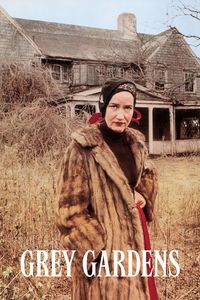
Grey Gardens (2009)
(On Cable TV, April 2020) Mere hours after I watched the 1973 documentary Grey Gardens on TCM, its more modern fictional adaptation played on HBO—an ideal occasion to do some comparative analysis. Both films are about two old women (mother and daughter, respectively aunt and cousin to Jaqueline Bouvier Kennedy Onasis) living together in a vast but decrepit house in the Hamptons. Rather than the unfiltered cinema-vérité of the original, this adaptation provides a scripted narrative for the actresses, hopping between the glory days of the pair and the aftermath of their downfall. While it may not be as striking a cinematic artifact as its predecessor, nor capture the story as nakedly, it’s a great deal more interesting to 2020 viewers than the original thanks to material attempting to explain what is happening. (This is true all the way to repeated CGI fly-bys showing the differences between the house in 1936 and 1973.) Having seen both movies practically back-to-back, I can testify that this reconstitution nails the visuals of the original film with an uncanny fidelity, especially when it recreates the shooting of the documentary. The hand of fiction is comforting here, allowing the insertion of additional material to heighten the dramatic impact and ensure that it all makes sense. Jessica Langue and Drew Barrymore star (with Jeanne Tripplehorn playing Jacqueline Kennedey) and even I have to admit that Barrymore has a great role here. Also of interest: the film’s insistence on providing a happy ending… of sorts.