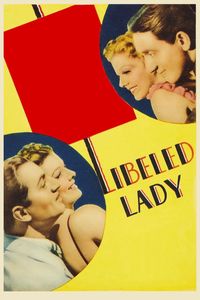
Libeled Lady (1936)
(On Cable TV, January 2020) If someone tells you that Libeled Lady is one of the top comedies of the 1930s, believe them—there aren’t many better ones. Firmly ensconced in the screwball subgenre, this is a film that plays into the whole weddings-don’t-mean-much (but they do!), harebrained-schemes-are-better-than-honesty, let’s-see-who’s-the-craziest ethos of those kinds of films. The cast alone is a solid treat, what with the legendary William Powell/Myrna Loy screen duo, bonified with Jean Harlow (who was romantically involved with Powell at the time, adding another layer of interest) and a dark-haired Spencer Tracy to round off the main cast. Everything takes place in a gloriously escapist Manhattan upper-class society setting (with a bit of newspaper journalism thrown in) where people have no better things to do than to pursue demented schemes, maintain misunderstandings and riff off quips at each other. It’s a hugely enjoyable film [April 2024: And one that appreciates upon subsequent viewings] because director Jack Conway’s execution is so smooth, not to mention the acting—Powell being Powell, his line delivery is perfect, but every main player has three other gifted comedians to play with, and the result is a small triumph. Even the outdated period detail becomes charming or at least easy to forgive. (There’s a bit of casual racism at the very beginning of the film, but it’s early, quick and more annoying than insulting.) The cavalcade of last-minute twists that serve as resolution is part of the joke: having no reasonable way to untangle the plot, the writers added more things and called it quits while daring anyone to say anything about it. Libeled Lady was, upon release, a box-office hit and an Academy Awards Best Picture nominee. It’s still a marvel even today—easily worth a watch.
