Jane Fonda

  • Nine to Five (1980)

    Nine to Five (1980)

    (On Cable TV, February 2017) I recall seeing Nine to Five as a kid, but given that I only remembered the iconic theme song, I will pretend that this was like watching a new film. It certainly feels like a time capsule from the late seventies, with its broad statements about feminism, contemporary fashions and work culture at a pre-computer, barely-photocopier era. Jane Fonda is a bit dull as the intentionally blank heroine, but Lily Tomlin is very good as a cynical office manager, and it’s a treat to see Dolly Parton in her prime as a smarter-than-she-looks secretary. Their story of female empowerment and revenge against a no-good boss (sorry, “sexist, egotistical, lying, hypocritical bigot”) is good for a few chuckles, especially when the film goes off the reality rails and features three outlandish dream sequences. As for the rest, the film has aged depressingly well: it’s discouraging to realize that much of the feminist content remains effective thirty-five-years later—there’s been progress, but not that much of it, especially in the United States. The theme song hasn’t gone out of style either: “Working nine-to-five/What a way to make a living…”
  • This is Where I Leave You (2014)

    This is Where I Leave You (2014)

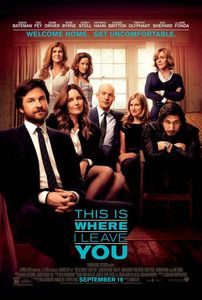
    (Video on Demand, January 2015) Considering the amazing cast put together for This is Where I Leave You, it would be understandable to expect a bit more from the results.  I count at least nine interesting actors on the top bill, and seeing some of them play against each other is almost fun no matter the material they’re given.  As siblings (and their assorted partners) reunite after the death of their father, the film becomes an intricate multi-ring circus of entwined subplots –enough of them that you’re guaranteed to relate.  There are laughs, cringe-worthy situations, a surprising amount of R-rated material and an ending that ties up most loose ends hopefully.  Jason Bateman is his usual leading-man self, Jane Fonda gets a late chance to play her curves, Corey Stoll and Adam Driver finally gets substantial big-screen comedy roles, Tina Fey and Kathryn Hahn are effortlessly likable… think of this film as a buffet and you won’t be too far off the final impression.  Of course, this means that some parts don’t entirely work, or feel contrived, or are executed more mechanically than anything else.  There’s wasted potential here, magnified by the known-name actors.  (I suspect that had it featured unknowns, the film would have earned better reviews.)  Still, as far a dysfunctional family comedies and assorted romantic dramas go, This is Where I Leave You is decently enjoyable, with enough twists and turns and revelations and set-piece sequences to justify the running time.