John Lee Hancock

  • The Little Things (2021)

    The Little Things (2021)

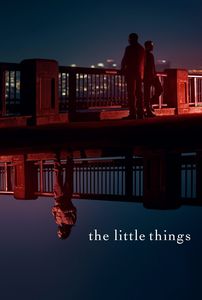
    (On Cable TV, June 2021) Once in a while, a film goes out of its way to irritate its audience. This usually takes the form of a film that deliberately sets out to break the rules of formula storytelling. As much as many loathe to admit it, the reason why genre fiction uses formulas is that formulas work: they are distillations of many previous attempts to satisfy audiences and leave them with a positive impression of what they’ve seen. For instance, an integral component of crime fiction for more than a century has been the release of catching/punishing the evildoer. Screenwriters can choose to make a point and not punish the villain, and the audience can choose to make a point and hate the result. So it is that The Little Things (not adapted from a novel, surprisingly enough) sets out to unbolt the familiar assumptions of crime fiction. Its protagonist is a doomed man, condemned to replay a mistake made years before. He interacts uneasily with a younger man who doesn’t seem to need his mentorship. The mood is grim, the epiphanies are few and the finale is guaranteed to create reactions on a scale of annoyance to infuriation. The execution is slick, mind you: writer/director John Lee Hancock is after a few specific emotions and he certainly gets them, with the support of capable actors such as Denzel Washington, Rami Malek and Jared Leto. The Little Things is a grim crime thriller that deliberately refuses satisfaction. Viewers will decide whether this is something they want, but let’s not bet much on the long-term popularity of this film.
  • The Founder (2016)

    The Founder (2016)

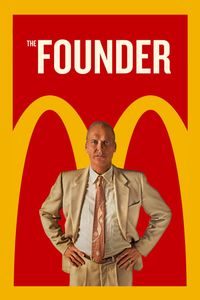
    (Netflix Streaming, August 2018) I’ve known about McDonald’s colourful history even since reading the unauthorized corporate biography Behind the Arches, so it’s a treat to finally see the story being told on-screen in The Founder. McDonalds is an American institution, so it makes sense that its history would expose the more sinister underbelly of that other American institution of capitalism. The entire film revolves around Ray Kroc, who begins the film as a middle-aged salesman having trouble making ends meet. His business trips eventually bring him to the first McDonald’s location, the product of two brothers’ ingenuity in speeding up restaurant service. Fascinated by the innovation, Kroc invests in launching a franchise operation, then another, then another … until effectively taking control of the company and forcing the original McDonald brothers out of the business, reneging on a handshake agreement along the way. Kroc is not written as a good guy in The Founder, but having Michael Keaton incarnate him is a stroke of genius in making our reactions to his action more ambiguous: Keaton is such a compelling actor and playing such a convincing salesman, how could any of this being bad? Except that, well, it was the essence of unshackled capitalism and the pursuit of the American dream—complete with a trophy wife—at the expense of the values and ethics that led the McDonald brothers to create what Kroc dearly wanted for himself. It’s a story worth contemplating and even if the script isn’t without its issues (not spending much time on Kroc’s persona life) nor anachronisms (McDonalds did have a bit of an identity crisis when it discovered that it was as much a real estate company as a restaurant business, but that happened closer to the 1970s) it’s a convincing historical re-creation and a magnificent showcase for Keaton’s skills. Far from being a corporate hagiography, director John Lee Hancock’s The Founder actually zeroes on a familiar yet always-interesting paradox: What if dodgy ethics were a requirement for phenomenal business growth?