Paydirt (2020)
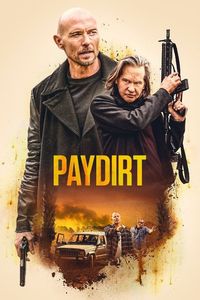
(On Cable TV, April 2021) The best-case scenario in writing a bad film according to formula is that the formula will carry much of the film on its shoulders, compensating for other flaws by sheer force of familiarity. I don’t have any issue with admitting that I like Paydirt’s formula a lot — the idea of putting together a crew of hoodlums (especially ones known for their nicknames) for one last score, the sunny California setting, the booming use of music during montages, nestled flashbacks, the gorgeous women, the final twists and turns that transform a defeat into a complete victory— this is all good stuff as far as I’m concerned, and Guy Richie alone has probably forgotten some of his own movies following this formula. Paydirt clearly follows it blindly, all the way to the predictable twists at the end. It really does not have the wit or the finesse to make it look natural — everything looks laboured, deliberate and almost exhausting even when it’s mechanically assembling the pieces it needs. Writer-director Christian Sesma dictates it as if he knew what works, but only being half-right about that. Many people attack formula films by saying it’s all gloss, but Paydirt doesn’t even have that: it operates at half-throttle all the time, going through the motions of something compelling without actually being compelling itself. Luke Goss is, in keeping with the rest of the film, fairly bland throughout. Val Kilmer impresses for all the wrong reasons in a supporting role: He looks really old and overweight here, no doubt a result of his recent health problems. But the problems are everywhere in this film, and the worst are in the script. The sloppy plotting can’t be bothered to convincingly nail down the details, and by the time the coda laboriously explains with a self-satisfied wink what we’d guessed anyway due to (again) the formula, it all feels even more contrived than usual. Despite all of these flaws, I still half-enjoyed Paydirt: it should be much, much worse, but thanks to the formula, it manages to paddle hard enough to keep its head above water. That’s not exactly a ringing recommendation, but at least it got halfway there.
