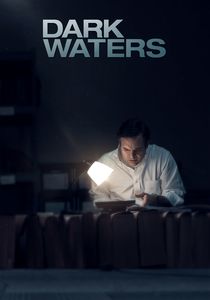
Dark Waters (2019)
(On Cable TV, November 2020) Much in the same vein as the Oscar-winning Spotlight (which shares headliner Mark Ruffalo as he settles comfortably in older, heavier, gruffer, more cerebral roles), Dark Waters takes on a big target and humanizes the fight against it. This time, the story begins once a farmer brings evidence of severe animal poisoning to a lawyer used to argue on behalf of Dupont. But, intrigued by the story, he starts poking and prodding at the evidence, eventually unearthing, after a decade of work, an incredible corporate coverup of toxic material dumping. It’s easy to think of similar films (Erin Brockovich also comes to mind), but that doesn’t make them any less relevant every time: we need to vulgarize those stories to give an example of what can happen when the system works. It may work slowly and grind those involved in it (Dark Waters is merciless in describing the toll that such a vast undertaking can take—Anne Hathaway’s character seems included solely to work that angle), but it can work and effect change. The problem is keeping a light on it. Dark Waters, as befit its title, is not a light and colourful film: shot in muted, cold cinematography, it looks serious and important even before any dialogue is said. But it’s successful at summarizing a complex matter of biochemistry and law in a way that doesn’t insult viewers—it makes the complicated accessible, even if we often feel the invisible strings of dramatization work their magic. Ruffalo (who also co-produced the film) makes for a likable low-key protagonist, with some assistance from noted co-activist Tim Robbins (who gets a fine speech that may reconcile a few viewers with the necessary role of lawyers), Bill Pullman, Victor Garber and Bill Camp as the very down-to-earth farmer who initiated it all. I wasn’t expecting to like Dark Waters so much, but found myself steadily engrossed in it. It does have the heft of an important film, but it doesn’t lose track of its requirement to keep audiences interested.