Mary Stuart Masterson

  • Bad Girls (1994)

    Bad Girls (1994)

    (In French, On Cable TV, July 2020) There were a surprising number of revisionist westerns in the 1990s, each one poking and prodding at various aspects of the classic Hollywood western tradition. The male domination of the genre is clearly the thing that Bad Girls wants to discuss, but there had to be a better way of doing it. With Madeleine Stowe, Mary Stuart Masterson, Drew Barrymore and Andie MacDowell, Bad Girls attempts to upend the usual western clichés by making the prostitutes the heroines of their own stories, taking revenge over bad men. It’s not a bad premise, but the way the film goes about it feels subservient to a male gaze in its execution. (Not to mention rape as a near-omnipresent plot device.) Our heroines are often scantily clad, going for titillation as much as empowerment. It really does not help that the film is executed flatly, with little in terms of wit and grace in the dialogue and situations. Director Walter Scott seems content to play with the images of the genre without doing anything much with them. Even in presenting women as western heroines, the film errs in caricatures. I still think that the premise holds a lot of potential, and I am a bit surprised that a quick search for “feminist western” doesn’t reveal any well-known successors. But Bad Girls doesn’t set much of an example—it simply doesn’t know what to do with its potential, and wastes almost all of it along the way.

  • Some Kind of Wonderful (1987)

    Some Kind of Wonderful (1987)

    (On Cable TV, July 2019) Now that I’ve seen Some Kind of Wonderful, I think I’ve completed the high points of my John Hughes filmography. Hugues only wrote this film (it was directed by Hughes stalwart Howard Deutch), but it’s clearly his movie, and a response to previous scripts of his. Eric Stoltz stars as an unconventional teenager lusting after the unapproachable girl in his class yet blind to the affection of his own tomboy best friend. It’s not a complicated premise (and you already know how it’s going to end) but it’s the details and the performances along the way that make it worthwhile. Lea Thompson and Mary Stuart Masterson make for a ridiculously good pair of duelling romantic interests for the protagonist, while Craig Sheffer plays the unlikable ex-boyfriend perfectly and Elias Koteas has a surprisingly engaging turn as a skinhead. There are a few rough spots along the way (I’m not happy about the 180 romantic turn that the film takes very late—I mean, I know where it was going to end, but I just wish the transition would have been smoother), but if you like the 1980s Hughes teen comedies, Some Kind of Wonderful is probably one of his savvier scripts even if it lacks the spark that made some of his other movies become classics.

  • Benny & Joon (1993)

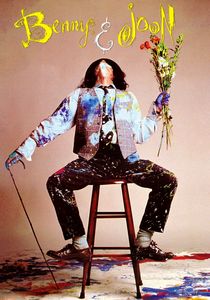
    Benny & Joon (1993)

    (In French, On Cable TV, May 2019) By now, I’ve seen enough movies about mental illness that I’ve grown immune to most of the usual ways the topic can be approached. But not every film about mental illness has to be a tear-jerky emotionally disturbing drama, and that may explain my tepid liking for Benny & Joon: While there is something to be said about its occasionally twee take on two non-neurotypical people finding love, it does dare to try something else. Much of the film rests on the very different performances from its lead actors, from Aidan Quinn’s quiet Benny to Mary Stuart Masterson as the schizophrenic Joon, but especially Johnny Depp’s impressive performance going through silent film-inspired comedy routines. The rest of the cast features many known actors even in small roles, from Julianne Moore (playing an ex-exploitation film actress), to Oliver Platt, C. C. H. Pounder, Dan Hedaya and William H. Macy. It can also rely on a charming small-town atmosphere, even when things aren’t going so well for our characters. Soundtrack fans should be aware that Benny & Joon does a lot of mileage to the very familiar tune of “500 Miles.”  After a bit of a romantic fantasy, the film eventually confronts the reality of living with a schizophrenic person, but in a way that ensures it will end well. Which, which optimistic, is not a bad message on which to end those kinds of movies.