Oscar Wilde

  • The Importance of Being Earnest (1952)

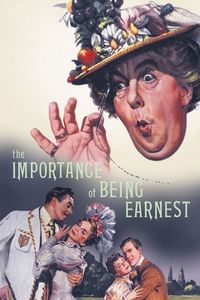
    The Importance of Being Earnest (1952)

    (On Cable TV, October 2021) Anything signed Oscar Wilde (even in adaptation) is worth a listen for the quality of its dialogue and The Importance of Being Earnest does not disappoint there, with clever wordplay, florid answers, witty repartee and other comic devices not necessarily aimed at the lower possible common denominator. While I do like the 2002 version better in general terms, this earlier take has the writing quality required to stay interesting, and generally does justice to the source material. So closely does it present the theatrical piece to film that it feels impossible to praise or criticize the film on its own basis—we always return to the original text to talk about the way it satirizes Victorian themes that prove timeless. Writer-director Anthony Asquith gets the pieces moving, and the actors do well with their material, although Edith Evans clearly takes the role one notch higher through sheer delivery. In the end, The Importance of Being Earnest works well enough—I would still recommend the later version, but this first take is still very watchable as a farce with a distinctly mid-century British execution over its 1890s material.
  • The Picture of Dorian Gray (1945)

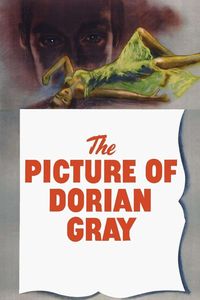
    The Picture of Dorian Gray (1945)

    (On Cable TV, January 2020) Few things are timeless, but Oscar Wilde’s witty, acerbic dialogue comes close to standing out of time. While all of his bibliography is impressive, The Picture of Dorian Gray still stands among his best-known work given a narrative genre hook that literalizes a metaphor of universal currency. The idea of a portrait that ages while its subject doesn’t is well suited to the medium of film, where screen characters never age even though their actors do. This reflective funhouse mirror is enough to power this 1945 adaptation, which benefits from George Sanders’ snide skills in delivering some of Wilde’s best lines. The story may be familiar, but the execution is rather good. Writer-director Albert Lewin cleverly lets the story play out, but throws in a few shocks by portraying Dorian’s portrait in colour in the middle of a black-and-white film. (The film won an Oscar for cinematography) Wilde’s dialogue is quite good, with enough one-liners here and there to keep everyone happy—it’s a film worth listening to at least once. A very young Angela Lansbury shows up repeatedly crooning “Yellow Little Bird” (charming the first time, a bit annoying the third time). The inclusion of a supernatural explanation is not entirely satisfying, but the rest of The Picture of Dorian Gray happily shrugs off that issue.