Ossie Davis

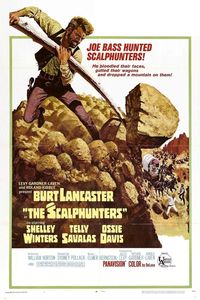
  • The Scalphunters (1968)

    The Scalphunters (1968)

    (On TV, February 2021) The civil rights movement finally makes its way to the western genre in The Scalphunters, a film based on the relationship between a badly-educated white trapper and an escaped black slave as they confront Native Americans and scalp-hunters. Burt Lancaster once again stars in a film that pokes at his own image as a leading man — his character isn’t particularly smart, and he obviously starts out as a complete racist before learning better. Ossie Davis has a more likable role as a well-read runaway slave heading to Mexico but being treated as property by everyone he encounters, white or native. Telly Savalas (the only bald man in 1960s Hollywood!) rounds up the headliners as an antagonist to them both. The Scalphunters isn’t as preachy as many of its contemporaries, with enough humour and action to keep the lulls low. The sunny landscape is more serviceable than spectacular, but those were the 1960s — audiences knew what the west looked like, and focused more on what else the genre could do than show widescreen vistas. The Scalphunters, typically for a film directed by Sydney Pollack, was very much a film of its moments, using the western tropes to work out current events of the time.
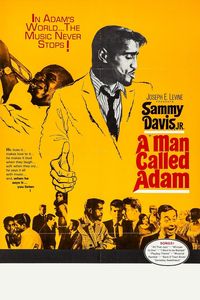
  • A Man Called Adam (1966)

    A Man Called Adam (1966)

    (On Cable TV, February 2021) I started watching A Man Called Adam with the intention of paying tribute to Cicely Tyson—who had died a few days before—but was quickly hooked by Sammy Davis Jr.’s performance as a difficult jazz musician having trouble keeping his life together. Tyson is very good in a role that anticipates a later generation of black actresses, but Davis is incandescent in a dramatic role far removed from his comedic fare. The film obviously aims to portray a realistic slice of life for black jazzmen in the 1960s, and the somewhat disappointing production values (4:3 ratio, fuzzy black-and-white visuals, unpolished direction from Leo Penn) add to the cinema-vérité atmosphere of the result. A Man Called Adam takes on explicitly racial themes (anticipating some of the most celebrated mainstream movies of the next few years) and makes them an integral part of a jazz movie. The musical aspect of the film can’t be sufficiently praised, with performances by a few musical legends (Louis Armstrong, Mel Tormé, Frank Sinatra Jr.) along with seasoned actors such as Ossie Davis and Ja’net DuBois. The film doesn’t shy away from the racism experienced by its protagonists, especially when it comes to policemen and club owners as they tour the south. But the protagonist doesn’t take it lying down, which eventually counts as a fatal flaw leading to an ending that feels inevitable. A Man Called Adam is not always easy to watch — the protagonist is remarkably self-destructive in the “tortured artist” mould (along with a Defining Trauma that seems almost too convenient) and viewers will echo the supporting characters who often just have enough of the protagonist’s nonsense. The film itself is uneven: despite being progressive in the ways it openly discusses racism, the stop-and-start rhythm of the film is not helped along by the pauses required by the (great) musical performances, or the quasi-caricatures often featured. Still, I’m happy to have watched it — A Man Called Adam is more memorable than many other films of its time, and I’ve gained a whole new appreciation for Davis, along with an impressive turn from Tyson.