Richard Basehart

  • Tension (1949)

    (On Cable TV, February 2022) Now here’s an intriguing film noir, even if it’s completely ludicrous at times. After an ominous voice-over opens from the film’s detective character (“The only way to solve a case is to apply tension until someone snaps”), Tension features a mild-mannered bespectacled man (Richard Basehart) who, upon being left by an ungrateful wife, creates a second glasses-less identity in preparation for a nefarious goal and is eventually involved in the murder of his wife’s new boyfriend. There are many complications, including a good girl played by Cyd Charisse in one of her most sympathetic turns of her pre-stardom 1940s. Meanwhile, Audrey Totter plays the deliciously quasi-caricatural evil wife with some devilish relish. Still, Tension is a pretty straightforward film noir with a lead character turning to the dark side and not being sure of getting away from it. Not all of the pieces of the film work together: the opening voice-over suggests something harder than what follows, and the transformation of our protagonist into some other personality (complete with a new apartment!) stretches a great deal of credibility. Still, there’s a pleasant atmosphere coming from Tension that makes it worth a look, especially if you’re looking for some sunny California Noir that straddles the line between 1940s formalism and slight ludicrousness.
  • Four Days in November (1964)

    Four Days in November (1964)

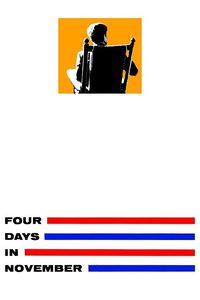
    (On Cable TV, April 2021) The assassination of John F. Kennedy was not even a year old by the time Mel Stuart put together Four Days in November, an incredibly detailed documentary about JFK’s final trip to Dallas, the assassination, and the immediate aftermath all the way to his funeral. Put together from contemporary news feeds, a few dramatizations, a few interviews and a heavy dose of narration with the soothing classical intonations of Richard Basehart, it’s a meticulous recreation not only of the assassination itself, but everything surrounding it, from the reasons why JFK headed to Dallas (seeking to repair a few rifts in the Democratic Party) to the extraordinary preparations for a state funeral that is meant to help a nation grieve. There’s a clear difference in emphasis between Four Days in November and more recent takes on the event — the fetishization of conspiracy theories about JFK’s assassination means that we seldom get any objective presentation of the events any more: everything has to be fiction with heavy doses of mysteries and conspiracies and a mad quest to explain the fantasies of generations of conspirationists. Compared to this thickening fog of misdirection, Four Days in May has a straightforward approach to the events that make it feel almost freshly affecting again — the incredible coincidences (what with Joan Crawford and Richard Nixon being at the same party as JFK in the days before the shooting) that pepper real history and the wealth of detail often forgotten in snappier documentaries. It’s quite a summation of a complex series of exceptional events, and perhaps where anyone interested in the JFK assassination should start. It’s missing a few things (the Zapruder film, for instance, would not be revealed for a few more years—not to mention the conclusions of the Warren report) but it’s refreshingly absent from the modern mythology that has grown around the event.