Robert Langdon series

  • Inferno (2016)

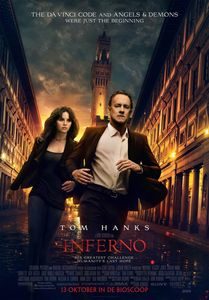
    Inferno (2016)

    (Video on Demand, February 2016) With Inferno, Tom Hanks is back for a third largely indifferent time as Robert Langdon, one of his career’s most undistinguished roles. One can’t fault Hank for teaming up with Ron Howard in adapting one of the most high-profile thriller series of the century so far … but the problem with Langdon is that he’s a character fully fleshed out by Hanks alone. There’s little on the page (either the book or the script) to make Langdon anything more than a fountain of information and a mannequin running through a convoluted plot. In the absence of such niceties, we’re left to rely on Tom Hanks, all-around American good guy, to give life to the series. To their credit, the filmmakers behind Inferno wisely dispensed with the most infuriating element of the novel’s conclusion, although they didn’t soften the moronic overpopulation rationale. The plot is ludicrous and the historical trivia is generally unremarkable, but the film does its best to wring a few honest moments of suspense from the result. I do believe that the film is an improvement over the borderline-unlikable book, but that’s not much of a baseline to begin with. (Inferno is the novel that finally made me give up on Dan Brown after being a bit of a contrarian cheerleader for him in post-The Da Vinci Code times.) You can argue that the story is more interesting than the previous two Langdon movies, but the freshness of the symbologist-as-hero premise has faded almost entirely. The result is average without dipping into mediocrity, which would have been a real danger at this point in the series. This being said, this is no call for a sequel. Let Hanks do something else.
  • The Da Vinci Code (2006)

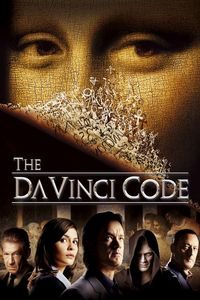
    The Da Vinci Code (2006)

    (In theaters, May 2006) This film is as critic-proof as they come, what with its built-in audience, puffed-up controversy and all-star cast and crew. No matter what anyone say, it’ll make zillions and find a modest place of some sort in film history. Stripped of the hype, though, it’s no surprise to find that The Da Vinci Code is merely an average thriller, competently made but hardly innovative. In many ways, it’s fitting that two of the blandest (but competent) Hollywood stars of the moment, director Ron Howard and star Tom Hanks, would help in delivering the epitome of mass-market cinema entertainment. Perfectly blending French and American cinema, The Da Vinci Code delivers endless conversations rudely interrupted by car chases and modest gunfights. Of the actors, only Ian McKellen is any fun at all as a mischievous historian with a flamboyant streak: Tom Hanks, Paul Bettany, Jean Reno and Audrey Tautou are wasted in roles that either don’t suit them or are cut short without much conclusion. But the film’s most distinctive trait is how it alternates between talky exposition and very average thriller episodes. To be fair, the book was just as bad, except that the roughshod charm of Dan Brown’s clunky-but-earnest prose had a forward rhythm of its own. I expect a huge number of academic papers to be written on the adaptation of this story from one medium to another, especially when you consider that the book seems faster-paced that the film. While the critical knives had been drawn in anticipation of this film, the end result in no way deserves a critical savaging: in most aspects, it’s perfectly serviceable, with a tiny thrill of irreverence considering the subject matter. I’ve seen both better and worse this week. In the end, most people will find this film to be a mirror of their own expectations: Fans of the book will be pleased, curious film-goers will be satisfied and literary critics will find another reason to call Dan Brown the Anti-Christ. Now that’s entertainment for everyone!