Robert Siodmak

  • The Spiral Staircase (1946)

    (On Cable TV, September 2022) Horror film historians are in for a treat (of sort) in The Spiral Staircase, considering how it was a relatively well-financed RKO studio production that happens to rely on slasher-like elements decades before the genre was codified. A blend of film noir cinematography and horror plotting, The Spiral Staircase goes for Gothic thrills, as it pits a mute girl against a killer preying on disabled victims inside a vast Vermont estate. Directed by Robert Siodmak (no stranger to horror), adapted from a gothic novel, it really goes for the elements of what we now know as slasher horror: multiple deaths, creepy surroundings, a mystery surrounding the killer, and so on in a mere 84 minutes. Some sub-tropes are unformed—there’s no “final girl” last stand, for instance, and that’s the kind of stuff that does make the film interesting to experience. Dorothy McGuire does well as the female lead, with plenty of thrills and chills along the way. The restrained nature of the film (considering its production during the heyday of the restrictive Production Code) largely means that the murdering is done stylistically rather than gorily, which may come as a relief and a further point of distinction for many viewers. It does make one imagine an alternate Hollywood history in which slashers would have taken a far different stylistic path…
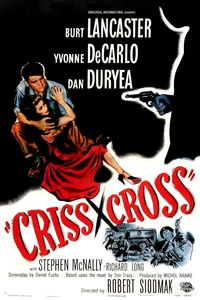
  • Criss Cross (1949)

    Criss Cross (1949)

    (On Cable TV, March 2021) Any list of landmark film noirs will probably include Criss Cross, and for good reason: As a slickly made criminal thriller describing a heist job going badly, it features a striking sense of place for late-1940s Los Angeles, some clever moments, decent-enough direction and a fatalistic ending that exemplifies the core strengths of the genre. Burt Lancaster has one of his first major roles as a man drawn into a dangerous affair and an even more dangerous criminal plot, and if you’re paying attention, you’ll see Tony Curtis for a few brief moments as a dancer in his uncredited screen debut. (Curtis and Lancaster would later reunite on a few other films, including Trapeze and the terrific Sweet Smell of Success.)  Still, the main draw here is a script that doesn’t have any time for niceties or sentimentality. The location shooting in Los Angeles is brief but effective, further reinforced by special-effect work that lowers the difference between studio shooting and exteriors (most notably through some really good rear-screen projection). Director Robert Siodmak helped define what we think of as noir, and he’s purposeful with his material all the way to the dispiriting conclusion. The fog-drenched heist sequence is still a wonderful piece of work even today. See Criss Cross as a precursor to films such as Heat, certainly — or just as a great noir.