Sinclair Lewis

  • Arrowsmith (1931)

    Arrowsmith (1931)

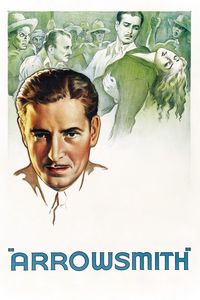
    (On Cable TV, February 2021) I can see in Arrowsmith the elements that should interest me — a fictional portrait of science at work, a protagonist with self-destructive impulses, some Pre-Code candidness, and decent production values for the time. I like that the film, in an alternate universe, would be a precursor to a very different “Science Fiction” genre, one focused on illuminating the inner workings of science through contemporary fiction. But even with all of these advantages, I had a more difficult time than anticipated in staying interested in Arrowsmith. The flattening effect of 1930s filmmaking (with its limited audiovisual range and camera placements) has a bit to do with it, but perhaps the biggest problem is inherent in the story: an unlikable protagonist that keeps self-sabotaging anything outside his chosen profession, heightened melodrama that spares few supporting characters, and some ludicrous choices that feel far-fetched. I’m generally happy that I’m now more familiar with the original Sinclair Lewis story (which does have a place in SF history) and its Oscar-nominated adaptation, but that didn’t make Arrowsmith any more interesting to watch.
  • Elmer Gantry (1960)

    Elmer Gantry (1960)

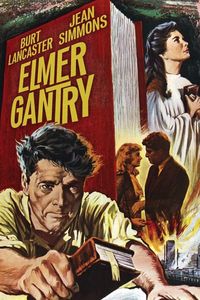
    (Criterion Streaming, March 2020) If you’re the kind of person to seek optimism in the most desperate situations, you can take a look south of the border in these desperate times and remind yourself that America isn’t solely composed of idiots—and more pointedly, there have always been sane voices in the wilderness highlighting the mistakes of the nation (past, ongoing and inevitable). Go back to 1960, for instance, and we already have Elmer Gantry as a mature, full-throated warning about the similarities between conmen and preachers. Burt Lancaster, never afraid to use his good looks in the service of questioning traditional masculinity, plays the titular Elmer, a fast-talking huckster who turns his talents to revivalist religion in order to woo a fetching young woman (Jean Simmons). Loosely adapted by writer-director Richard Brooks from a muckraking novel by Sinclair Lewis (Brooks won an Academy Award for the screenplay), Elmer Gantry isn’t content with merely making a link between confidence games and small-tent religious revivals—it’s a film that digs and digs into the characters, their unsavoury pasts, impure intentions, zealotry and mob vengeance to deliver a sobering statement on being taken by fast words and empty promises. Lancaster is terrific as a salesman turned fire-and-brimstone preacher, easily capturing audiences on both sides of the screen. (He also won an Oscar for it.) Elmer Gantry greatly benefits from his presence, and he helps the film overcome its excessive length. It probably doesn’t help that while Elmer Gantry confronts issues important to circa-1960 America, much of what it has to say is now common wisdom… or is it?