The Picture of Dorian Gray (1945)
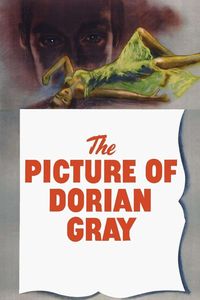
(On Cable TV, January 2020) Few things are timeless, but Oscar Wilde’s witty, acerbic dialogue comes close to standing out of time. While all of his bibliography is impressive, The Picture of Dorian Gray still stands among his best-known work given a narrative genre hook that literalizes a metaphor of universal currency. The idea of a portrait that ages while its subject doesn’t is well suited to the medium of film, where screen characters never age even though their actors do. This reflective funhouse mirror is enough to power this 1945 adaptation, which benefits from George Sanders’ snide skills in delivering some of Wilde’s best lines. The story may be familiar, but the execution is rather good. Writer-director Albert Lewin cleverly lets the story play out, but throws in a few shocks by portraying Dorian’s portrait in colour in the middle of a black-and-white film. (The film won an Oscar for cinematography) Wilde’s dialogue is quite good, with enough one-liners here and there to keep everyone happy—it’s a film worth listening to at least once. A very young Angela Lansbury shows up repeatedly crooning “Yellow Little Bird” (charming the first time, a bit annoying the third time). The inclusion of a supernatural explanation is not entirely satisfying, but the rest of The Picture of Dorian Gray happily shrugs off that issue.