Super Fly (1972)
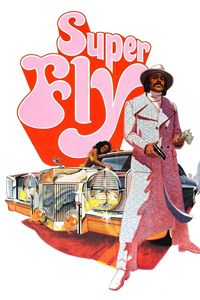
(On Cable TV, March 2020) From the peak of blaxploitation comes Super Fly, a stylish crime story that’s arguably more interesting in-context than by itself. The story of an anti-hero drug dealer trying to go straight but being discouraged from doing so by nearly everyone he meets, Super Fly emerged in the blaxploitation wave launched by Shaft and others, and represented in many ways a near-repudiation of the Production Code’s crime-never-pays credo. At a time when black economic disadvantages were increasingly noted by scholars and pundits, Super Fly offered an alternative portrait of a self-made man, flouting conventions and morals by selling drugs… and becoming rich and powerful along the way. While audiences flocked to this portrayal of sticking it to The Man, not everyone reacted as favourably—blaxploitation was getting popular enough to bother some white audiences and to infuriate black community leaders trying to promote more traditional values. It’s also essential to point out just how much of the film was borne out of black filmmakers—written by Phillip Fenty, directed by Gordon Parks Jr. (not Shaft’s director: his son) and originally financed by black investors before being sold to Warner Brothers. At the same time, Super Fly made headlines thanks to Curtis Mayfield’s top-notch soundtrack—one which still exemplifies much of the sound of blaxploitation. Compared to those contextual elements, Super Fly-the-film seems primitive. It’s useless to belabour the point that criminal anti-heroes have become cinematic staples (especially in the black cinema of the 1990s that was, in many ways, the inheritor to the blaxploitation movement) and that the shock value of its murderous protagonist is no longer what it was. Still, the period atmosphere is exceptional (showcasing the urban malaise that gripped New York at the beginning of the 1970s, now thankfully a thing of the past) and the film has flourishes of style, such as a striking heist sequence told in still pictures. Super Fly may not be as purely entertaining as late-period blaxploitation, but it’s watchable enough, and culturally important as well.