Phantasm (1979)
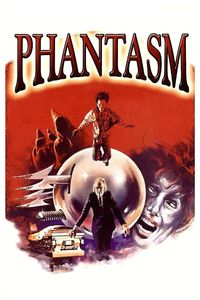
(Hoopla Streaming, April 2020) The biggest surprise of Phantasm is that (especially with its new restoration) it looks just slightly newer than its 1979 release year—had I not known, I would have pegged the film as one of those imaginative mid-1980s horror movies with big ideas and no budget. The plot doesn’t quite make sense (a lot would be explained in the sequels), but as long as we stick to the Tall Man (Angus Scrimm), the sci-fi gadgets and weird imagination of writer-director Don Coscarelli, then we’re in good hands. The amateurish no-budget constraints of the film do grate, however, especially when the film’s high concepts can’t be delivered effectively: this is a film where these are clear differences between what’s being said and what’s shown on-screen. Still, imagination is a great asset, and the film is often effective in its impact. I just wish that there had been stronger attention paid at the higher level: Even after five films, I feel as if the Phantasm series has only scratched the surface of what it could achieve.
(Second Viewing, In French, On Cable TV, January 2021) This is my second time having a gander at the horror/Science Fiction cult classic Phantasm, and I still don’t have a good handle on what’s going on. That’s by design: writer/director Don Coscarelli was labouring under severe budgetary constraints and a lack of narrative direction when he put together Phantasm (some of the hour-long amount of footage cut from the film would be revived as part of the fourth film in the series) and the emphasis is clearly on the high concepts, the uncanny visuals and the dreamlike atmosphere. The result is not uninteresting—and it’s a great deal more original than the slasher craze that was burgeoning at the time!—but those who crave a strong narrative will not necessarily have a good time. Of course, having a second look informed by the rest of the series helps in backfilling creative explanations that did not exist at the time: the sequels do a lot in providing context and pointing at the way some initially secondary characters would become the series’ focus over nearly thirty years. Angus Scrimm obviously remains the series’ most distinctive actor (his death in 2016 marked the definitive end of the original series more than any creative exhaustion or narrative conclusion), but who could have guessed that Reggie Bannister would become the series’ most valuable player? The ambitions of the film are constantly defeated by the low budget and the haphazard narrative, but there’s some undeniable power to the silver spheres, the mixture of horror and science fiction (which Coscarelli would later execute to a superlative degree in John Dies at the End) and the dreamlike atmosphere that emerged from heroic low-end filmmaking. It’s not clear to me if any of the sequels are better despite better production values, special effects and a better idea of where the narrative is meant to go: there is a rough filmmaking power to Phantasm that, at least, explains why it led to four follow-ups over the following thirty years.