Dark Victory (1939)
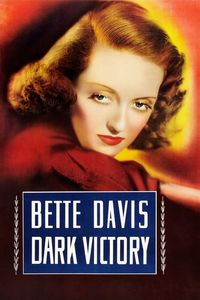
(On Cable TV, August 2020) The difference between drama and melodrama is often whether it works or not, and Dark Victory does play with highly combustible material, as it focuses on a hedonistic socialite who discovers she has roughly a year left to live. Trying to rearrange her affairs in order to exit with dignity, she discovers love, respect and acceptance. This could have gone wrong in a dozen embarrassing ways, but the big surprise here is how well it manipulates audiences and carries them willingly to a weeper of a conclusion. Dark Victory ranks high on the list of Bette Davis’s performances, and it’s not hard to see why: a lesser actress could have made the material ridiculous, but here she carries the entire film on her shoulders. It’s not just an acting performance: Davis also (says the film’s production history) pushed hard for such a tearjerker to be made in the studio system, believing that she could do justice to the material. Indeed she could, although later generations of viewers could also spot Humphrey Bogart (as a likable stable master, no less) and Ronald Reagan in small roles. Director Edmund Goulding gives Davis all the freedom she needs to nail the character, and the result speaks for itself. Yes, Dark Victory is manipulating your emotions and yes, you’ll see it coming, but it’s not melodrama if it works – it’s crowd-pleasing art.