The Merry Widow (1934)
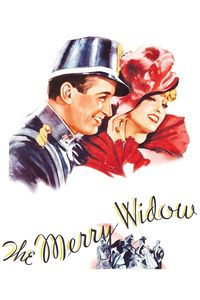
(On Cable TV, August 2020) According to some contemporary accounts, Maurice Chevalier was one of Hollywood’s highest-paid actors of the 1930s, and his cultural influence essentially defined the French stereotype in American movies. He reportedly spoke English quite fluently in real-life, only to revert to a distinctive French accent in his movies. As much as I dislike the artifice, I must say that it helped create a strong screen persona: That of a bon vivant, gentle womanizer, easygoing hedonist… or, in other words, close to the stereotype that Americans still carry about French people, one that French people don’t do much to try to dispel. You can see that persona and attitude at play in The Merry Widow, a romantic fantasy in which imaginary European kingdoms are used as reasons for a soldier to court a rich widow. From the get-go, the film seeks an amiable, generally harmless tone: one early scene has soldiers chanting as they go to war, but with lyrics clearly stating that their only reason to go there is to impress the girls at home. Against this backdrop, Chevalier takes on the role of a playboy tasked with the serious business of national union through romantic courtship, and the rest of the film goes from there. There are plenty of reasons why this premise wouldn’t fly today, but the result is quite likable as a historical capsule. Ernest Lubitsch directs with his usual touch, and the music is surprisingly catchy. It’s clear that the film celebrates women, romance and courtship in a harmless fashion without any predatory overtones. Chevalier is truly likable, and Jeanette MacDonald is also quite good as the wooed widow. Top-notch production values in terms of sets and costumes mean that there’s always something lavish to look at. Still, the comedy is the draw and The Merry Widow is funny enough to entertain. Chevalier at his peak was not to be underestimated.