Ride the High Country (1962)
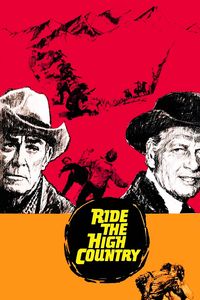
(On Cable TV, October 2020) If you start watching Ride the High Country and see Sam Peckinpah’s name as a director, you may end up making a few unfortunate presumptions as to how the film is going to go. But seven years before The Wild Bunch made him define his own brand of ultraviolence, Peckinpah was still developing his skills as a filmmaker when he put together Ride the High Country, and while the result does show many of Peckinpah’s later trademarks, it’s also something much closer to traditional westerns. The plot has to do with two aging gunslingers taking on an assignment to transport gold from a miner’s camp back to the bank. But things get more complicated when they encounter a man with a daughter, and trouble follows them all the way to the miner’s camp. If you watch the film based on Peckinpah’s reputation, you will be surprised at some of the over-comedic touches of the film’s first half (complete with amusing musical cues), yet dreading the inevitable descent into violence that is sure to come. But while I’m no big fan of westerns, this one does things slightly differently enough, and well enough, that I found myself gradually taken by the result. By the time a rather dour finale rolls by, the film is actually quite remarkable, and we can understand those who call it Peckinpah’s first success. Former Golden-age Hollywood leading men Joel McCrea and Randolph Scott both get one last role here, with Peckinpah getting an early chance to showcase one of his predominant themes—the end of the wild west. Ride the High Country is both a representative western and an unusual one as well—the result is good enough to be worth a look even for those who don’t regard westerns with any particular affection.