El ángel exterminador [The Exterminating Angel] (1962)
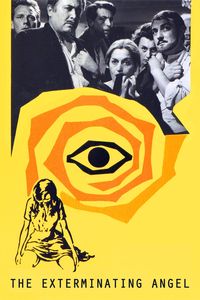
(On Cable TV, November 2020) Much as I go back-and-forth on Luis Bunuel’s movies, I went back-and-forth on The Exterminating Angel throughout its duration. After a mystifying introduction to the characters, the premise reveals itself: our dozen high-society characters are suddenly unable to leave the living room of the mansion in which they’ve gathered. Why they can’t leave is unimportant, which is completely in-keeping with the kind of surrealism that Bunuel practised, but somewhat at odds with contemporary audiences more used to a genre explanation, as perfunctory as it is. (I sometimes think that the best thing that genre literature brought to the world was a way to anchor metaphors into some kind of rationality, even in fantasy fiction. Zombies may be a great way to discuss the mindless conformity of the modern world, but they are also interesting in their own right as mortal threats, and it’s that duality of genre fiction that makes it both accessible and profound depending on the level sought by creator and audience.) Knowing that The Exterminating Angel will never explain its situation, the film is free to go through the motions of its plot, as its subjects are in extended captivity: the lies, the loathing, the contempt, the violence—as mayhem plays out in a gilded living room, it’s obvious that this is meant to have deeper levels of interpretation. If you’re not interested in playing Bunuel’s’ game, however, the film is only intermittently interesting. By the time it concludes with the ill-justified freeing of its characters, it’s both interesting and not interesting at the same time: in the nebulous fog of surrealism, something happened but it seems ripe to be swept under the rug with few repercussions nor any reason to care. The premise of The Exterminating Angel has been reused many times in many other places, but the original could use a bit of tightening up as well.