Fashions of 1934 (1934)
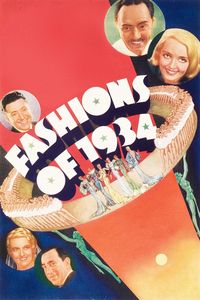
(On Cable TV, November 2020) This may sound a bit sad to those who don’t like movies (although what’s the point in caring what these people say?) but one of the greatest things about having an encyclopedic knowledge of film and favourite actors is that you can sit down to watch a film without any idea of who’s in it, and be pleasantly surprised at who appears on screen, almost as if they were friends or something. (Look up Dunbar’s number and wonder at how many of those 150 spots are taken up by actors’ personas.) So it is that I sat down to watch Fashions of 1934 without any expectations other than this was going to be one of those solid 1930s musicals. But then William Powell and Bette Davis both walk on-screen, and you know you’re going to have a better time than expected. Now, let’s not go overboard: Fashions of 1934 is, at best, a representative film of its genre and era. It’s decently funny at times, does showcase contemporary fashions, moves briskly at 78 minutes and throws in a few kaleidoscopic dance numbers from Busby Berkeley. The musical numbers are spectacular (with a special mention to the bit in which dancers with feather fans transform themselves into a gigantic flower and then seamlessly changing into a maiden emerging from a foamy sea), the dialogue can be quite amusing and Powell is up to his usual standards. The Pre-Code nature of the film is best seen in the saucy jokes and the scantily clad dancers (oh, and mention of pornographic pictures for sale on the streets of Paris)—those would disappear months later with the imposition of the Hays Code. When you throw in all of those elements, the one thing that strikes out is Davis herself—Fashions of 1934 was so early in her career that it features a misguided attempt to make her a blonde-haired sexpot: her vivaciousness shines through what little dialogue she has, but even the film seems to forget about her for minutes at a time. The script is a bit scattershot, and it’s clear that it’s far too focused on its musical numbers—especially in its last third—to allow Powell or Davis to develop their screen persona. Still, it’s an enjoyable watch: not an essential example of its era, but a look at what Warnes Studios could do in the musical genre as a matter of everyday business. Powell and Davis are just icing on the cake even if they’re not used to their fullest extent.