The Dark Horse (1932)
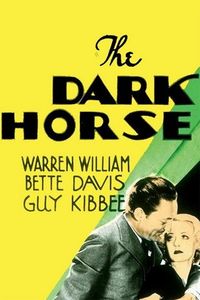
(On Cable TV, November 2020) As I sat down to watch The Dark Horse, a Pre-Code political comedy featuring a simpleton being groomed for high office, the United States is experiencing the last drawn-out spasm of an incompetent federal administration led by another kind of simpleton. My tolerance for fictive portraits of such people put in position of power is at an all-time low considering the excess mortality rates south of the border during a worldwide pandemic, and I wasn’t sure I was going to like the result all that much. Happily, the film often exceeded my expectations. It certainly helps that the candidate at the heart of The Dark Horse is an amiable, harmless kind of simpleton—not the kind of person you’d want as a governor, but not the kind of spiteful, destructive idiot found in reality. It also helps that the dull character is not at the centre of the film: that honour would go to a sharp politician operative dealing with grooming his charge, while also managing his ex-wife and new flame during the election period. Bette Davis co-stars as his would-be second wife, but it’s Warren Williams who grabs most of the spotlight as a genius-level political operative. Some of the script is a bit blunt and repetitive, but there are a handful of very funny moments, and a third act that keeps escalating out of control even from the protagonist’s capable mind. You can see in The Dark Horse the somewhat freewheeling attitude toward marriage and divorce that characterized many 1930s romantic comedies (something that would ironically grow even bolder after the imposition of the Code), but you will especially recognize the timeless nature of political campaigns, even despite very different tools at the disposal of campaigns. The Dark Horse thus finds a place in the very, very long list of American movies about American politics, often being far more idealistic than reality, even despite their comic cynicism.