The Passionate Plumber (1932)
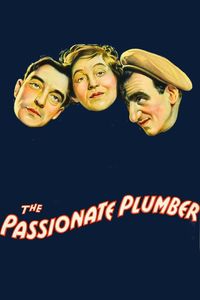
(On Cable TV, November 2020) Buster Keaton heads to France in The Passionate Plumber, one of the less-than-impressive movies he did at MGM in the sound film phase of his career. This period is not usually well regarded by film critics, and the step down from his silent era movies is clear. Most of the blame for Keaton’s decline during these years is usually attributed to studio interference—Keaton couldn’t get as much creative freedom working in the MGM system, and his comic setpieces are clearly less ambitious. This being said, you could still see remnants of Keaton’s creative genius even in the MGM films, and The Passionate Plumber does have its shares of flashes. Taking place in France (but suffering from near-unintelligible French dialogue), the film takes longer than expected to accumulate the comic elements of its climax: Keaton plays an American inventor who runs into another American played by none other than Jimmy Durante, and you can see the film split the comedy between the two: Durante gets the verbal material, whereas Keaton gets the physical—and most of the time, it works: Even in throwaway gestures, Keaton remains supremely gifted in getting laughs out of nothing (including repeatedly slapping people with a glove)… and that’s not even getting into the bigger set-pieces of the film. There’s a really good shot in which he is pursued by a crowd of men going up a staircase, and it somehow resolves by him reversing course and running away downstairs. It’s in those moments that you can still recognize the silent-era Keaton, despite the heavier demands of the inconsequential plot and the lack of opportunity for him to guide the entire film’s comic choreography. I still liked The Passionate Plumber—it’s got its moments despite not being up to Keaton’s silent films. But it’s one of the movies where you most clearly see the missed opportunities in Keaton’s MGM years.