How it Feels to be Free (2021)
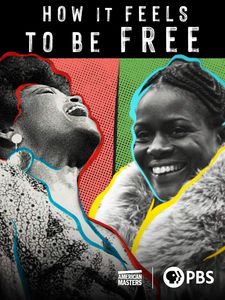
(On TV, January 2021) One of the unexpected benefits of a deep dive in Hollywood history is knowing what people are talking about when they bring up half-forgotten, underappreciated or ill-served artists of the past. When How it Feels to be Free set out to shine a spotlight on six black female entertainers of previous generations, I was on semi-solid ground: I don’t need to be told about Lena Horne, Nina Simone and Pam Grier’s greatness, and I was at least able to nod in recognition at the praise for Abbey Lincoln, Diahann Carroll and Cicely Tyson. Six homages in two hours is a lot, but director Yoruba Richen manages to be both specific and sweeping, talking directly about each one of its six entertainers and still using them as a group to make larger points about discrimination, representation and inspiration. Historical footage is blended with contemporary interviews with a decent roster of stars (Halle Berry, Lena Waithe, Samuel L. Jackson, Lena Waithe, co-producer Alicia Keys, etc.) and heirs. Part of the reason to watch the film is getting a reminder about why these women were so fantastic, part of it is digging deeper into some biographies and discovering equally great people (including getting a crash course in Lincoln’s activism, Carroll’s groundbreaking work in TV and Tyson’s own brand of race-aware role selection). The film works itself up to a powerful argument in favour of diversity on the production side of the entertainment world, pointing out that some stories will never be told accurately if they don’t come from those different perspectives. I enjoyed the result quite a bit, and not just in the scope of the film itself: In between watching How it Feels to be Free and writing this review, Cicely Tyson died and the loss hit me harder than merely being told that she was the star of Sounder. It was important to capture why she was remarkable that before it was too late.