The Big Doll House (1971)
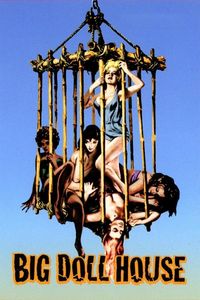
(On Cable TV, February 2021) if there’s a women-in-prison exploitation cliché that The Big Doll House doesn’t use, it’s going to take someone very familiar with the subgenre to point it out. Some have made the argument that this is the film that codified these tropes, which explain both why it almost feels like a comedy today, and also why you need a good healthy dose of male gaze tolerance to make it to the end. The plot isn’t as much a sustained narrative as a collection of incidents and clichés loosely arranged in succession. There’s lesbianism, abusive guards, escape attempts, a sadistic warden, girl-on-girl fighting, shower nudity, weak attempts at criticism of the patriarchy, and plenty of violence when the jailbreak inevitably occurs. If you’re not watching for historical purposes, probably the only real reason why The Big Doll House is still worth a look is for the debut performance of Pam Grier, who proves to be, even at this early juncture, as ferocious and striking as her exploitation persona suggests. She’s by far the film’s highlight, because otherwise you may be bored by the way it earnestly runs through the catalogue of clichés. Otherwise, I suppose there’s always the ironic potential of watching a bad film.