The Two Mrs. Carrolls (1947)
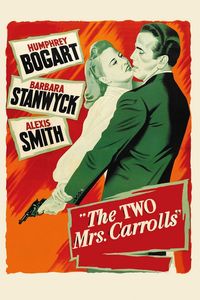
(On Cable TV, February 2021) Some films have far more curb appeal than actual polish, and The Two Mrs. Carrolls is a fine example of those. It’s hard not to get intrigued by a film featuring no less than Humphrey Bogart and Barbara Stanwyck in a domestic thriller. But there’s a reason why the film is far less often mentioned as those two stars’ best work: it ends up being a clunky mixture of miscasting, undercooked screenplay, dull direction and its own inability to stick to a gothic presentation. None of this applies to Stanwyck: She owns the film’s best moments, and while she’s playing a naïve character far away from her usual tough dames, she plays her with the kind of elegant dignity she could lend to any dramatic role at that point in her career. Sadly, Bogart doesn’t do so well, and much of it has to do with a double mismatch with the screen persona he took up in the 1940s — his shtick was a roguish but ultimately honourable man’s man, not the insane gothic villain painter that the script requires him to be, all the way to an over-the-top conclusion in which he crashes through a window with a murderous look in his eyes. He simply doesn’t fit the requirements of the story — a similar problem that many domestic thrillers of the 1940s found in casting likable leading men in darker roles (such as Cary Grant in Suspicion). It really doesn’t help that The Two Mrs. Carrolls is saddled with an unsatisfactory script: adapted and beholden to a stage play, it piles on the implausibilities and incoherences, with a female protagonist who should have figured something well before she laboriously pieces everything together. The film always seems to be holding back — perhaps due to its stars being unwilling to commit to a truly gothic take on the Bluebeard tale, perhaps by elevating director Peter Godfrey beyond his competencies at the time. The result is far from being unwatchable — but The Two Mrs. Carrolls’s interest is how odd of a film it is, and how it simply doesn’t meet its own objectives. Further reading on the film’s troubled production history reveals more of the backstory: Filmed in 1945 but held back for a variety of possible reasons until two years later, it suffered from a cavalcade of issues, not the least of which being a too-strong similarity with similar evil-Bogart vehicle Conflict.