Meat the Future (2020)
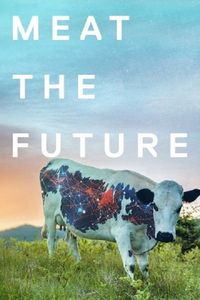
(On TV, March 2021) If you want a better future, there aren’t very many better areas of research than cultured meat — the very real process through which we can grow meat in factories, without mass animal breeding. Even speaking as a proud omnivore who worked dozens of summers on a family farm and deeply understands the way animals are transformed into meat, you’d have to be willfully blind not to understand the appeal of mass cultured meat: lower costs, far smaller ecological footprint and near-eradication of animal slaughter. (I’m not that receptive to the idea of farming as being inherently cruel, but modern factory farming is nothing like the bucolic family farm I grew up on.) Once economies of scale are realized, once customers get used to the idea of cultured meat, once chefs and nutritionists get their hands on what’s possible with cultured meat, it’s going to be here to stay — and the cheap meat it’s going to replace will not be mourned. Meat the Future shows the technology at the end of its proof-of-concept stage: possible and edible but before its mass commodisation. It’s still a time when basic elements of the future are being discussed — as per the debate between calling it “clean meat” moving on to the more neutral “cultured meat.” Quite a bit of time is spent humanizing the various people working toward the acceptance of cultured meat for their own reasons — most notably Dr. Uma Valeti, whose values as a child raised in India prove essential to his drive as CEO of Memphis Meat. There’s a bit of sausage being made (if you’ll pardon the expression) in seeing how policy is created in Washington, with near-caricatures of meat industry lobbyists opposing cultured meat to protect entrenched interests. Despite a topic matter that could make a few viewers squeamish (hopefully they never get a look at what’s going on inside modern factory farms), writer-director-producer Liz Marshall’s Meat the Future is among the most optimistic films I’ve seen in a while — It’s clear-eyed about the promise and challenges of cultured meat, and it does a great job at presenting the topic in an interesting manner. Frankly, it made me a bit hungry.