B*A*P*S (1997)
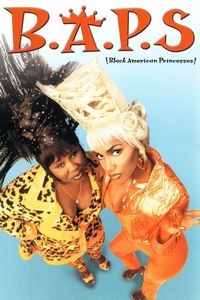
(On TV, May 2021) Sometimes, silliness is all you need. In B*A*P*S (Black American Princesses), we have two feisty young black women somehow finding their way to a rich white man’s Beverly Hills house, upsetting the neighbour’s habits and prejudices. It’s all executed according to silly farce, what with stereotypes crashing into one another, but director Robert Townsend does get to mount a stealth attack on white orthodoxy, sending the down-to-earth exuberance of its protagonists crashing against the staid manners of their new surroundings. You can easily tell who’s good and who’s not from the way they embrace black culture — all the way to the well-mannered butler with a secret fondness for black TV shows. Martin Landau plays the charmed ailing white millionaire, but the stars of the show are clearly Halle Berry and Natalie Desselle as the titular BAPs as they set out to improve Beverly Hills culture with their own flair. Berry looks surprisingly good as a blonde, although I also liked Troy Byer (who also wrote the screenplay) as a no-nonsense lawyer. The silliness of the film’s execution is less interesting than its overall status as a racially subversive dismantlement of the white establishment. (I’m sure someone, somewhere, already wrote at length about how so-called “dumb” black comedies à la B*A*P*S and How High are far more interesting as tools of systemic racial derision.) No, the film is not always that clever or witty in its moment-to-moment execution — I’m sure that there’s a better movie to be made from the same material (from Byer’s public disappointment with the results, the original screenplay is probably worth a look), but let’s highlight for a moment the worth of a black-written black-directed black-starring comedy openly espousing black values as explicitly opposed to the white Southern California establishment. While contemporary reviews were harsh (even Roger Ebert, normally a sympathetic audience for this kind of film, hated it), I suspect that more recent assessments are kinder to it — indeed, B*A*P*S seems to have become a bit of a fondly-remembered cult classic in the meantime, which sounds about right for the kind of silly film it appears to be.