Cameraperson (2016)
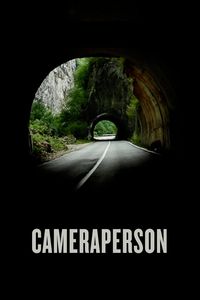
(On Cable TV, May 2021) There are a few schools of thought about documentary filmmaking, and one topic that gets brought up is the role of the narrator — many documentaries eschew explicit narration, preferring the images, talking heads and documentary footage make a stronger case than a narrator ever could. It sometimes works… but not always. As a professional documentary cinematographer (one whose images you probably saw in acclaimed films such as Citizenfour and Captain Mike Across America), you can expect Kirsten Johnson to place the raw image above all, and that’s indeed the approach she takes in Cameraperson, digging through years of footage to assemble what’s described as a “autobiographical collage.” The point here is to present both a scrapbook of experiences, a meditation on being the person holding the camera, an essay on the relationship between filmmakers and film subjects, and plenty of other things in-between. The price to pay, however, is a near-complete lack of guideposts. Absent any narration, or even hints as to why footage is included and why it’s placed at that specific point in the film’s running time, Cameraperson leans heavily on the “make up your own meaning” school of film-viewing, often to the point of infuriation. There are highlights and set-pieces, but the film flies across countries and eras and personal meaning, sometimes presenting Johnson’s life and other times the footage she shot for other filmmakers. It’s not a film made for casual viewing — you have to invest some energy trying to figure it out, and even then, you’ll never be sure to have the intended take, for there is no intended take. As such, it’s a documentary film that requires a change of pace from how we usually see other documentaries, usually so intent on making their points that they leave nothing to chance or interpretation. I can’t say I liked Cameraperson all that much — it often feels like a whirlwind of sequences with no grounding, and that’s not necessarily my forte. But it does eventually (perhaps too late) emerge as something interesting in its own distinct fashion, leading us to ask questions about the very nature of documentaries and what the camera shows or chooses not to show.