The Joker is Wild (1957)
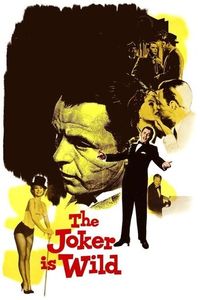
(On TV, September 2021) In comparing actors with character, there are few better natural matches than having Frank Sinatra play a comedian/singer (real-life figure Joe. E. Lewis) who gets involved with the mob and then struggles with alcoholism through a rocky marriage. No, Sinatra was not an active mobster or a non-functioning alcoholic, but his public image as a booze-swinging rat-packer and whispered rumours about his private life made him—and still make him—an ideal choice for the role. After a perfunctory opening in which the mob takes revenge on him and damages both his face and his voice, The Joker is Wild does get more interesting as the lead character claws his way back to crowd approval. Several nightclub sequences have us sitting in the audience for some comic banter and choice songs (including the classic Sinatra number “All the Way”) — it would be considered long if it wasn’t for the appealing time-travelling aspect of watching a Sinatra show. As a drama, The Joker is Wild tends toward repetitiousness — See Lewis become more famous, see him struggle with alcohol, see him struggle with his wife, and then repeat the cycle a few more times. But it works more often than it doesn’t, and few films have done as good a portrayal of stand-up comedy as a self-destructive exercise, as the on-stage patter painfully mirrors personal troubles: there’s an excruciating sequence in which a severely inebriated lead struggles to get through a show, his jokes about excessive consumption not fooling any member of the audience. It’s too bad that the film, made while Lewis was alive, can’t conclude on much more than a semi-fantastic oath to get his life in order (he never completely did) — the anticlimax is real, but isn’t as bad as it would have been had The Joker is Wild been a straight-ahead narrative. Instead, the high points are the performances, not necessarily the story. And Sinatra is very, very good in those moments.