The Love Parade (1929)
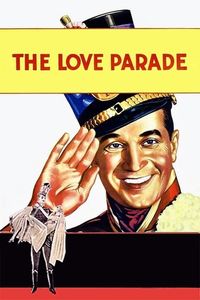
(On Cable TV, September 2021) Perhaps the fairest assessment of The Love Parade is that it feels like a prototype for better films by director Ernst Lubitsch and star Maurice Chevalier. It’s certainly not a bad movie: The plot manages to cram a few musical numbers within a story about a man falling in love with a princess, only to discover that the life of a consort is annoying to a man used to taking the lead. Pampered within the palace, he eventually rebels, threatens to walk out… and unconvincingly reconciles five seconds before the end. (It’s reconciliation through submission, which is not nearly as amusing now than then.) The musical aspect of the film does feel ahead of its time, with nine numbers weaved into the plot (one of the first, if not the first, film to do so rather than adopt the revue approach of other early musicals) and even one duet shown in cross-cutting editing that showed how competent Lubitsch was. The European aspect of The Love Parade is usually described as “sophisticated,” which was a word often used for Lubitsch’s work –an approach that tried to go beyond the obvious. An incredibly young Maurice Chevalier remains the best reason to see the film: his incredible charisma shines event through the production values of the early sound era, and his singing is quite enjoyable as well. Both men would collaborate again on two other pictures, One Hour with You and The Smiling Lieutenant, which would both show improvements, both technical and artistic, on their first film. Still, you can see in The Love Parade all of the building blocks that Lubitsch and Chevalier would use over the next few years: The sexual permissiveness possible in the Pre-Code era, Lubitsch’s knack for high-minded comedy about crass topics, Chevalier’s megawatt charm and the possibilities of sound cinema. As good as The Love Parade remains, it would lead to much better.