Watermark (2013)
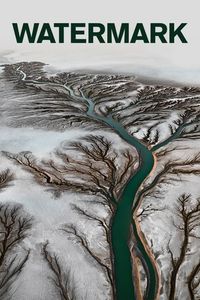
(On Cable TV, October 2021) Follow-up to the somewhat similar Manufactured Landscapes, Watermark reteams filmmaker Jennifer Baichwal with photographer Edward Burtynsky for a widescreen look at the impact of man on nature. This time, the focus is on water—how it’s used, how it’s controlled, and how it’s threatened by human activities. As with the first film, we’re taken to incredible landscapes, most notably the Chinese Xiluodu Dam and the eerie flooding of its reservoir. The strengths of the filmmakers’ first film remain intact—a dispassionate but provocative eye for striking images, a non-preachy but convincing environmentalist message, a willingness to dig under the surface of the world to reveal its underpinning—but two notable flaws have been addressed: The images are now shot in high definition (ensuring their longevity with modern home viewing equipment) and the subject matter is not as overexposed today, also ensuring its continued interest. It’s also somewhat closer to visual documentaries à la Koyaanisqatsi than the unwieldy half-lecture/half-visuals format of the first film—there’s still some narration, but it’s less intrusive and unafraid to quiet down in order to let the images speak for themselves. The result takes us in real places that were new to me—places where humans interact with bodies of water, or try to control it through striking man-made architecture. It’s quite amazing in places—I’m not sure I would have imagined the manufactured inland waterfronts of Discovery Bay, California had Watermark not shown it from above, for instance. It does amount to a quietly impressive documentary, as much feast for the eyes as it’s fodder for thinking about our place in the world. An improvement over Manufactured Landscapes in nearly every way, Watermark sets high expectations for their third film Anthropocene.