The Pajama Game (1957)
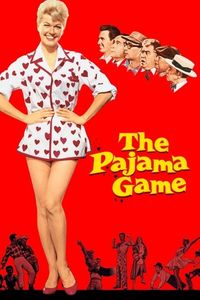
(On Cable TV, November 2021) The more you dig into the history of the Hollywood musical, the more you find some… unusual material. I’m consciously not using the word “weird” here because The Pajama Game is about as conventional as musicals go: With Broadway roots, Stanley Donen directing and Doris Day in the lead, it’s about as innocuous as these things are. But here’s the unusual thing: The Pajama Game is a romantic comedy musical in which a union takes on management for a pay raise and wins. By 2020s standards, following the regrettable erosion of union power and public perception thereof, this would almost certainly brand the film as socialist propaganda in some of the nuttier American circles — what do you mean, unions as the good guys? It’s become such a fleeting sentiment that pro-union films have become about as rare, remarkable and subversive as it’s possible to get in recent American discourse. (I’m allowing for some distance here because one of the better consequences of the early-2020s COVID crisis recovery has been far more power taken back by employees. But I digress.) I don’t particularly enjoy that The Pajama Game has so much political baggage now (and I’m writing this from a unionized Canadian’s perspective), but there we go — the 1950s reaching us about progressivism. As for the film itself, there’s not as much to say in strict moviemaking terms: it’s competently handled, with tunes that are snappy without being memorable, and dancing that’s competent without being awe-inspiring. (This being said, it was Bob Fosse’s first major film as choreographer.) Day is wholesomely bland but still good in the lead role, while the film does have fun making light of a topic matter that led to much darker films. (If you want to make a double feature with this and quasi-contemporary On the Waterfront, hey, go ahead.) The Pajama Game ranks in the solid middle of 1950s musicals, but I don’t expect it to come up all that often in discussions, except for mentioning the pro-union sentiment.