Cleopatra Jones (1973)
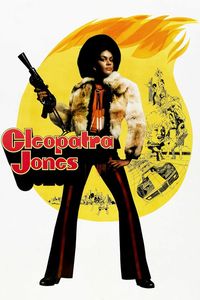
(On Cable TV, July 2018) Blaxsploitation movies will always have a special place in my cinephile’s heart, and Cleopatra Jones feels like a particularly fine example of the form: not overly known, yet featuring pretty much everything we’d expect from the subgenre and sporting a terrific heroine in the lead. Tamara Dobson stars in the title character, a glamorous undercover agent for the US government. Coming back home from an anti-drug foreign intervention, she gets to clean up her neighbourhood from dealers with a fair amount of kung-fu. But the plot isn’t the point of a film fostering black solidarity against drugs, promoting ways to work within the system to resolve troubling issues and doing so with an overwhelming sense of style. Dobson is so spectacular that she doesn’t need to disrobe to appeal to audiences—her sheer presence and fashion sense are enough. It’s almost satisfying to hear the characters in the film echo the same conclusion: “Black is beautiful” indeed. From a contemporary perspective, there is often a disconnect between the historical near-hysteric reactions to Blaxploitation movies from conservative circles and the film we see from today’s perspective—especially notable here is how staid and law-abiding the film feels, with a standard anti-drug message and some complementarity between Jones and the White establishment—some racist cop antagonists aside. Cleopatra Jones doesn’t feel particularly subversive nor dangerous, but that does give it a very specific charm even today.
(Second viewing, On Cable TV, October 2022) I don’t have a lot to add about this second viewing of Cleopatra Jones – the film is still a very enjoyable piece of blaxsploitation, Tamara Dobson is still awe-inspiring, and the not-quite serious tone of the film is still quite a bit of fun. What’s perhaps new this second time around is me having a better appreciation of what Shelley Winters was up to at that stage of her career, and how her villainous role clearly plays into some of the psycho-biddy films roles she had just recently completed. That adds a layer of interest to the film and proves my theory that all film plays on at least two levels – what you see on-screen, and the broader meta-narrative that surrounds every film, sometime in fascinating intersectional ways.