The Bridges at Toko-Ri (1954)
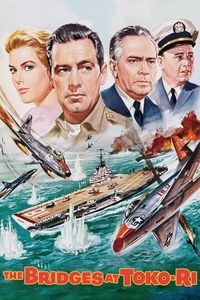
(On TV, August 2020) You can cleanly fit The Bridges at Toko-Ri in the evolution of the war movie. It borrows equally from the propagandist past of WW2 movies, the reality of the then-recent Korean War and anticipates the nuanced statements of Vietnam-era films. About a third of the film is an exploration of Korean-conflict marine aviation: shot in colour, it focuses on search-and-rescue operations, and on carrier-based bombing missions. Executed with the full cooperation of the US Navy, it harkens to the propaganda films of WW2 in showing us life in the service and what awaited the conscripts who chose that branch of the service. But the formula gets a somewhat more nuanced twist than the WW2 movies—about another third of the film revolves around a protagonist taken from civilian life into the reserves, and asked to fly a dangerous bombing mission. Everyone around him—wife, hierarchical superior, friends— are concerned that he may not come back, and in a larger perspective that the war may not be worth its cost in lives. Such sentiments are a bit unusual to find in military-themed movies of the era (they probably owe much to the James Michener’s novel on which the film was based) and they have contributed to The Bridges at Toko-Ri’s generally well-regarded sophistication. This ambivalence toward combat is carried through the final third of the film, in which our protagonist (William Holden) kisses his wife (Grace Kelly) goodbye and goes bombing. He won’t be back. The dour ending feels like a cold shower if you’re expecting the film to be like the other military adventures of the 1950s—the protagonist is gone, and everyone is mourning a fate that they had clearly anticipated. While I’m ambivalent about my enjoyment of the result (I like my war movies victorious), I can’t deny that the film has plenty of great moments along the way. And The Bridges at Toko-Ri simply feels prescient about the direction that Hollywood war movies would follow a few decades later.