Broken Arrow (1950)
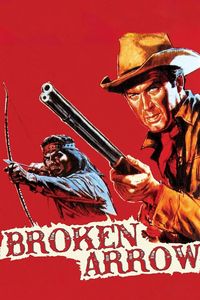
(On TV, November 2020) There are movies that play well both on a surface and a metatextual level, and The Rare Breed feels like one of them if you’ve been paying attention to the history of the representation of Native American culture in Hollywood. I don’t have the knowledge to say for sure that Broken Arrow was the first film to portray a reconciliation between white settlers and Native Americans. But in the grand sweep of the western genre, it feels like a front-runner to the changing attitudes toward Native Americans during the 1950s and even more so the 1960s—often used by Classic Hollywood as caricatural villains and nothing more, it took a long time for Native Americans to establish themselves as real characters. With Broken Arrow, Hollywood takes a big step toward better representation. Here we have the all-American everyman James Stewart playing the part of a man seeking peace with Cochise—first, by learning the language, then by negotiating a carefully worded agreement to leave the mail carriers alone. It’s not a painless process for him—white people regard him with suspicion, as do most of the Native Americans. Romance blooms, and tragedy strikes—this is a dramatic western, after all, and great sacrifice make for great drama. Still, the film feels like a tentative reconciliation by itself: it would take many more decades before getting to a sufficiently accurate depiction of Native Americans in westerns (some say we’re not even there yet) but intermediate steps are important. Broken Arrow still stars a white actor as Cochise (although Geronimo is portrayed by a Mohawk actor) and fictionalizes quite a bit of material, but the Native American characters are developed; they speak in conversational English (as highlighted by the film’s opening narration) and are seen as people with valid grievances. As a result, it’s a film that has aged far better than contemporary knee-jerk depictions of Natives as pure antagonists that still filled up most of the pre-1950s westerns.