The Best Man (1964)
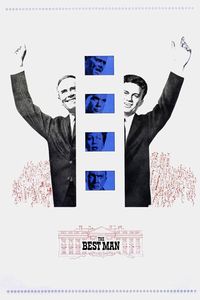
(On Cable TV, January 2021) I’m an avowed good audience for any movie that takes a peek and a poke at the American political process—especially now, in the dark days of January 2021, where American democracy is under attack from within with plenty of bad faith, outright lying and self-serving cowardice against authoritarianism to go around. The Best Man takes us back to the not-so-innocent 1960s, at that quasi-mythical event so beloved of pundits: a contested primary where every vote is on the line to decide who’s going to represent a major political party to the presidency. Henry Fonda makes the best use of his innate likability as an intellectual candidate with plenty of hidden baggage—not as much the multiple affairs, but a mental health episode that would be damaging if revealed to the public, as his chief rival, a venal opportunist, intends to do to secure the nomination. (This anticipates what happened to Vice-Presidential nominee Thomas Eagleton in 1972, dropped from the Democratic ticket to disastrous effect after his own history of mental health issues became known—which, in retrospect, became something of a karmic retribution for Eagleton’s then-anonymous quip denouncing the nominee’s “amnesty, abortion, and legalization” agenda. But I digress.) A film of pure backroom deals and untoward pressure put on delegates, The Best Man is a political junkie’s dream. It ends up tackling some interesting issues for the time and Gore Vidal’s script pulls few punches considering the constraints under which studio films operated at the time. (It’s known as the first major American film to use the world “homosexual.”) William Schaffner’s direction is taut (watch that twirling camera later on!), the black-and-white cinematography is appropriate, and the atmosphere of a political convention is cleverly re-created through good mise en scene and stock footage. While politics have changed, and one of those changes is the likely disappearance of contested conventions, some other aspects of the film remain curiously contemporary. I defy anyone to hear one of the final lines of dialogue, “you have no sense of responsibility toward anybody or anything. And that is a tragedy in a man, and it is a disaster in a president,” and not be reminded of a recent disastrous president with no sense of responsibility toward anything or anything.