Cléo de 5 à 7 [Cléo from 5 to 7] (1962)
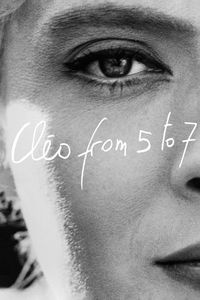
(On TV, May 2021) Once you’ve seen thousands of movies, it’s perfectly natural (perhaps inevitable) to develop a fondness for formal experimentation. When you’ve seen uncountable examples of the same plot template, repetitive genre entries and overused formulas, it can be a breath of fresh air to see a film that gleefully tries to do something different with cinema. Nouvelle Vague writer-director Agnès Varda was never one for more-of-the-usual, and so Cléo de 5 à 7 is about what it says in the title, following a young woman from 5 to 6:30 (in apparently real time) as she awaits news of a medical exam. While clearly structured and planned, the film does give the impression of flitting from one episode to another like a butterfly, capturing 90 wandering minutes as the protagonist muses about mortality and the meaning of life. There’s other material too — the French war in Algeria weighs heavily over the film, and it’s impossible to see the film as anything other than a feminist text as it examines the place of women in early-1960s French society. Cléo de 5 à 7 is not made to be exciting, but it’s not dull either and while I’m in no hurry to watch it again, it remains an interesting demonstration of how to do cinema slightly differently.