De Palma (2015)
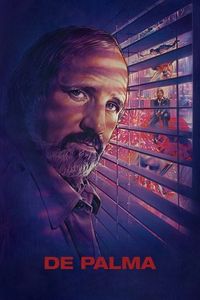
(Tubi Streaming, August 2021) The standard mode for documentary movies about directors is hagiography (considering the effort, time and clearances required for a documentary, no one is going to go ahead with a critical look at someone who may still be influential) but De Palma is at least honest about it. It’s really a two-hour-long speech from writer-director Brian de Palma, interview footage interspaced with relevant footage of his films as he chronologically goes through his filmography, from film student days to his post-Hollywood European phase. There’s a bit of autobiographical material to kick things off and some concluding thoughts on his career, but considering that the now-80-year-old de Palma has only made one film since the documentary and isn’t likely to make many more, this is about as close as we’ll get to a definitive self-assessment. Despite narrating all the material, De Palma can be surprisingly dispassionate in the way he assesses his films — one of his running themes is how many compromises one must make by working within the Hollywood system. (As he observes astutely, what critics don’t get is that most directors don’t get to plan their careers: they’re working on this or that at the whim of others with money.) The film does come with a few warnings. One for violence, obviously — you can’t talk de Palma without showing his films, and his films are largely in the thriller genre. But there’s also a contextual warning: This film makes very little effort to contextualize de Palma or his films. If you’re expecting plot summaries and a cool academic take on the films, this isn’t for you: this is de Palma reflecting on his own work, and what’s unfortunate is that with a thirty-item slate in a 107-minute film, we don’t always have time for more than glancing anecdotes… especially for his lesser-known or off-brand efforts. Still, what’s in there is interesting: his filmography has highs and lows, touching upon a good variety of stars, producers or critical reactions. It’s an easy film to watch if you’re moderately aware of his biggest hits. I’m missing a handful of his films since Carrie, plus his pre-Sisters titles, but this is the kind of film that makes me want to seek them all out. It does help that I consider de Palma to be an interesting director. His level of violence is excessive, his themes can be repetitive and his wilder ideas don’t always cohere, but his visual style is often amazing, and on his best titles he’s clearly going for broke, always pushing how hard or how far he can go. That’s much, much more than many of his contemporaries can say and at the end of his career (as we seem to be now), there’s a wistful sense that even a thirty-title filmography isn’t quite enough — we could have had more had a few things turned out differently. Again, I’m not sure we can say that about many other directors of his time. There’s a particular flavour and appeal to a typical de Palma film, and this documentary does much to try to explain what it is. One notes that the self-effacing director behind the film is none other than independent darling director colleague Noah Baumbach, and there’s some fun in trying to make links between De Palma and While We’re Young.