The Father (2020)
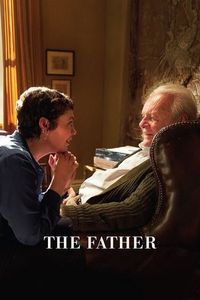
(Amazon Streaming, October 2021) Like many viewers, I saw The Father on the list of 2021 Oscar nominees, glanced at “Anthony Hopkins plays a man in the grip of dementia,” listened to the praise about Hopkins’ Oscar-winning performance and jumped to easy conclusions—this would be another Oscar-baiting sensitive drama about the ravages of aging, aping so many other movies in a similar vein. I’d get around to it, eventually and unenthusiastically. Well, that was a bad take because The Father is something else: a horror film in the guise of a drama about aging, a unique take on an overexposed prospect and a sure-footed blend of cinematography, acting, dialogue and direction in service of a unique film. This doesn’t mean you’ll enjoy it—but you won’t easily forget it. The key to The Father is that it dares try the impossible: showing the cognitive decline of dementia from the inside. It starts cleanly enough, as a daughter visits her father and explains how he needs assistance in his old age. A few matters are discussed and easily put aside as minor. But the weirdness escalates in subsequent scenes, as details don’t add up, people show up with different faces, the apartment decoration keeps changing, and we, as viewers, realize we can’t trust our own memories. The protagonist’s rationalization works overtime to convince him (and us) that this is all normal, but The Father is one of those films where you can’t trust the current moment without measuring it to everything that’s happened before or is about to happen. As the film advances, we realize we can’t trust its chronology, as past and future blend into the present in a jumble of things that have, have not, never did or haven’t yet happened. By the end, we piece together a very sad story of decline, hospitalization, abuse and regression. Hopkins is, as advertised, utterly terrific here—a great performance (in a career of great performances) that turns on several emotional dimes, and plays both to the moment and to what it may mean in the bigger story. Still, I’ll argue that the star here is playwright-writer-director Florian Zeller, in a film directing debut where even the smallest detail feels perfectly assured. Watching The Father is unlike any other film—you can’t trust your usual bearings and can’t coast on the assumption that the usual guideposts are trustworthy. It’s certainly not a fun film—but it’s quite a success in telling a depressing story in something approaching an exhilarating form.