Tanin no kao [The Face of Another] (1966)
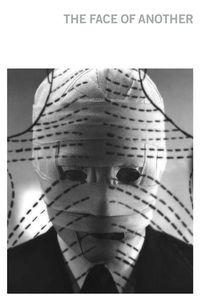
(On Cable TV, November 2021) While The Face of Another is not quite presented with the trappings of genre horror or science fiction, there’s a lot more to this story of facial disfigurement than just another drama. There are a considerable number of thematic concerns brewing under the surface of a story about a man getting a lifelike mask after receiving facial burns, and using the mask as an excuse to live another life. There are clear musings on identity, on the face we present to the world versus true selves, and what happens when accountability-through-identity is stripped away. The plot itself doesn’t make much sense on a logical level (despite insistent nuts-and-bolts realism, especially in the first part), which must have infuriated critics of the past fifty years. On the other hand, the film becomes far more poignant as an allegorical piece in which ideas are made literal through Science-Fictional devices. The Face of Another’s classification as a piece of Japanese New Wave cinema finds its meaning in the way the film eventually becomes stranger and weirder as it goes one, blending in another story, leaving realism behind and presenting a somewhat glum picture of humanity once individuals are freed of their identities. (I’m not saying that writer Kōbō Abe and director Hiroshi Teshigahara are wrong, especially after the past thirty years spent on the Internet — but it’s not a happy film by any means.) I can’t say I liked the result, but it did keep me far more interested in the proceedings than purely realistic Japanese cinema of the same era, so consider this more than a half-hearted recommendation. See it alongside Les Yeux Sans Visage for more masking fun.