Crisis (2021)
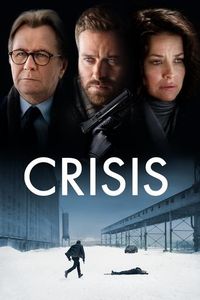
(On Cable TV, September 2021) It’s easy to see where writer-director Nicholas Jarecki wants to go in presenting Crisis as a three-strand overview of the opiate overdose crisis: First at the very high level with a scientist (Gary Oldman) uncovering the synthetic drug’s incredible addictive potential and getting pilloried for it by corporate interests; at the medium level with a police officer (Armie Hammer) playing dirty to interrupt the flow of drugs into the United States; and finally at the lowest, personal level by featuring a mom (Evangeline Lily) grieving her son, dead of an opioid overdose, and going on a revenge quest to find out who’s responsible. It’s all quite noble, and it intermittently works: The objectives are ambitious and the main actors do decent work. Best of all, though, is how much of Crisis takes place in Montréal, with none other than Guy Nadon playing the evil drug kingpin and some naturalistic bilingual dialogue. (The filmmakers know what they’re doing with some pitch-perfect Michel Pagliaro playing in a French-Canadian bar scene.) But where I cool off on the film is in seeing how it all comes together: While the cop and mother storylines are fated to collide in interesting ways, they play according to some very familiar rules, half-heartedly executed. The cop theatrics are sometimes troubling in their unquestioned use of police power, and some sequences (notably the helicopter-on-a-cliff arrest that begins the film) are overdone compared to the more tepid rest of the film. But the bigger problem is that the third narrative strand, at the scientific level, remains isolated from the other — clearly the most substantial subplot, but also the one that seems most underdeveloped. Crisis doesn’t quite gel together and fumbles the ball despite its laudable intentions. The opioid crisis will eventually get the film that does it justice, but Crisis isn’t it.