Alan Ladd

  • The Carpetbaggers (1964)

    (On Cable TV, June 2022) For modern audience, it can be surprising to go back in Hollywood history and uncover the long list of movies that were considered audacious for their times, pushing the envelope of acceptable content in ways both crass and artistic. Not many of them are quite as shocking today, but even twenty-first century viewers can often detect an air of daring and provocation. In The Carpetbaggers’ case, the film was designed from the get-go to push a bit harder on melodramatic salaciousness – adapted from a novel by once-well-known sensationalist Harold Robbins. It features a strikingly unpleasant protagonist that draws heavily from Howard Hughes in combining the world of aerospace and filmmaking but then goes the extra mile in making him as unpleasant as possible. (The film begins by showing him carrying an affair with his stepmother.)  So it goes for the rest of the film, with terrible and exciting things happening to and between very rich and powerful people in the style of those page-turning naughty bestsellers meant to wow the crowds. George Peppard is convincingly slimy here, with some supporting work from Alan Ladd (in his last performance) and Carroll Baker. Director Edward Dmytryk has his hands full keeping the circus going through 150 minutes densely packed with deliberate melodrama and histrionics. (Some of the dialogue is admittedly pretty good.)  The Carpetbaggers is worth a curious look for those fans of how American culture has been in apparently constant and irremediable decline for decades. Alas, even by those standards, it’s often too unpleasant and dull to be truly fascinating – you can point to other moral-panic films such as Written on the Wind as something far more perverse and enjoyable.
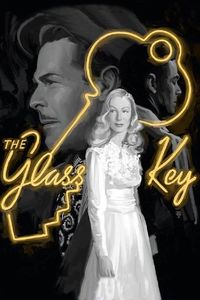
  • The Glass Key (1942)

    The Glass Key (1942)

    (On Cable TV, July 2021) I know that The Glass Key is highly regarded among fans of film noir — it was one of the films that helped codify the genre; it features Alan Ladd and the gorgeous Veronica Lake; it’s assembled from a Dashiell Hammett novel and it mixes politics with crime. At the time, it was clearly intended as a star vehicle for Ladd, and a way for the studio to capitalize on the success of both The Maltese Falcon and This Gun for Hire. You can recognize its early-noir pedigree by how the film doesn’t quite jump to the criminal aspect right away, spending a leisurely time setting up its characters and their political/romantic machinations before precipitating events with (at last!) a murder. This delay is probably what makes me so tepid on the result — while the last act of The Glass Key finally gets moving, the opening half takes a lot of time before getting moving, and doesn’t quite manage to create that narrative energy required to get going. The ending even flips into comedy, which is not necessarily a bad thing but does scramble expectations. Oh, I still generally like the result — and with Veronica Lake looking her peekaboo-hairstyle best as she’s delivering some good dialogue, the film is really far from a dud. There are also some good moments for Alan Ladd, and one overhead stunt shot that still amazes even today. Still, I’m not overly charmed by The Glass Key — it feels a bit laborious, without the lean mean focus of later film noir.

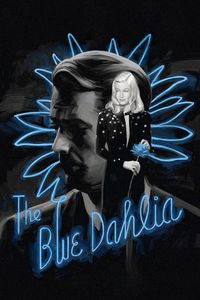
  • The Blue Dahlia (1946)

    The Blue Dahlia (1946)

    (On Cable TV, January 2021) Sitting down to watch The Blue Dahlia is feeling the anticipation of a solid film noir—not the best, but one with Alan Ladd as the lead, the gorgeous Veronica Lake (albeit with her postwar haircut) as his counterpart, noted crime novelist Raymond Chandler writing the script and decent-enough production values to take us in the sordid backdrop of post-WW2 Los Angeles nightclubs. The plot is crammed with shell-shocked war veterans, creepy criminal owners and murderous revenge. The atmosphere is terrific and feels more intentional than many noir films—which works to The Blue Dahliah’s advantage. But the strong crime-fuelled narrative is very well complemented by the Ladd/Lake couple’s fourth and final outing. It’s not all that useful to discuss the plot—it’s formula yet engrossing at the same time, and amply rewards noir film fans. It does feel a bit more grounded in its time and place than many other similar films: while noir usually takes place in a nebulous generic city at an unspecified time, this one is anchored in the aftermath of the war, and the very specific qualities of Los Angeles at night. In other words, The Blue Dahlia is really not a bad watch—there are plenty of other noir films to watch first, but this one is solid enough to round out a list of genre successes.

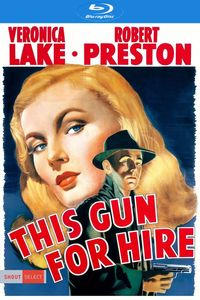
  • This Gun for Hire (1942)

    This Gun for Hire (1942)

    (On Cable TV, February 2020) There are many things to learn about This Gun for Hire: Veronica Lake is a timeless beauty, film noir was in good shape as early as 1942, war profiteering is evil, hitmen could be developed characters even in the 1940s, and it’s never a good idea to pay a hired killer with fake money. Put all of those things in a bag with Alan Ladd and you’ve got a pretty good suspense thriller. Ladd and Lake would go on to make several more movies together (alas, her time in the sun was far too brief) and the film would become part of the film noir subgenre increasingly popular after World War II. As a narrative, This Gun for Hire is a mixture of unlikely character decisions, surprisingly sophisticated character moments and several thrilling scenes strung together. It all works rather well, although one can see that the combined appeal of Ladd and Lake (with her famously alluring peekaboo hairstyle) clearly raises the result above its script weight. Being early noir, This Gun for Hire is also not quite yet burdened by the tropes of the subgenre, so that’s also quite interesting by itself. Have a look, have fun and then go see the other Ladd/Lake movies.